
Children
Children’s rights, protection, education, health and nutrition.
Overview
Each cause points to specialized or broad-response actors. The English version gives priority to international, US and UK organizations, alongside essential United Nations and Red Cross/Red Crescent actors.
Children’s rights, protection, education, health and nutrition.
Care, medical emergencies, surgery, mental health and access to treatment.
Nutrition, food security, safe water, hygiene and sanitation.

Protection, asylum, migration, statelessness and support for displaced people.

Rapid response to conflicts, disasters, epidemics and climate crises.

Disability, rehabilitation, autonomy, dignity and fighting exclusion.
Poverty, shelter, social connection, inclusion and material support.


Schooling, training, access to information, culture, connectivity and knowledge.

Transport, energy, telecoms, supply chains and operational support.
Short answer
A suitable cause combines a real need, an understandable response and an organization able to act. Health, water, food, shelter, protection and education are often connected. You can target one field or give flexibly so teams can address the most urgent gap.
In the field
A few visual reference points to understand priorities: food assistance, shelter, logistics, healthcare, water, protection and support for affected communities.
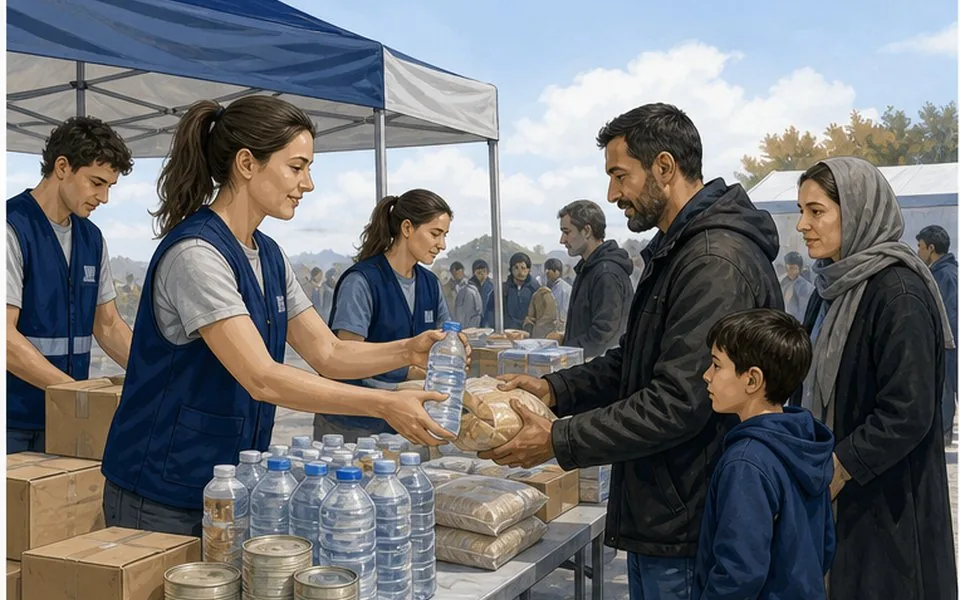
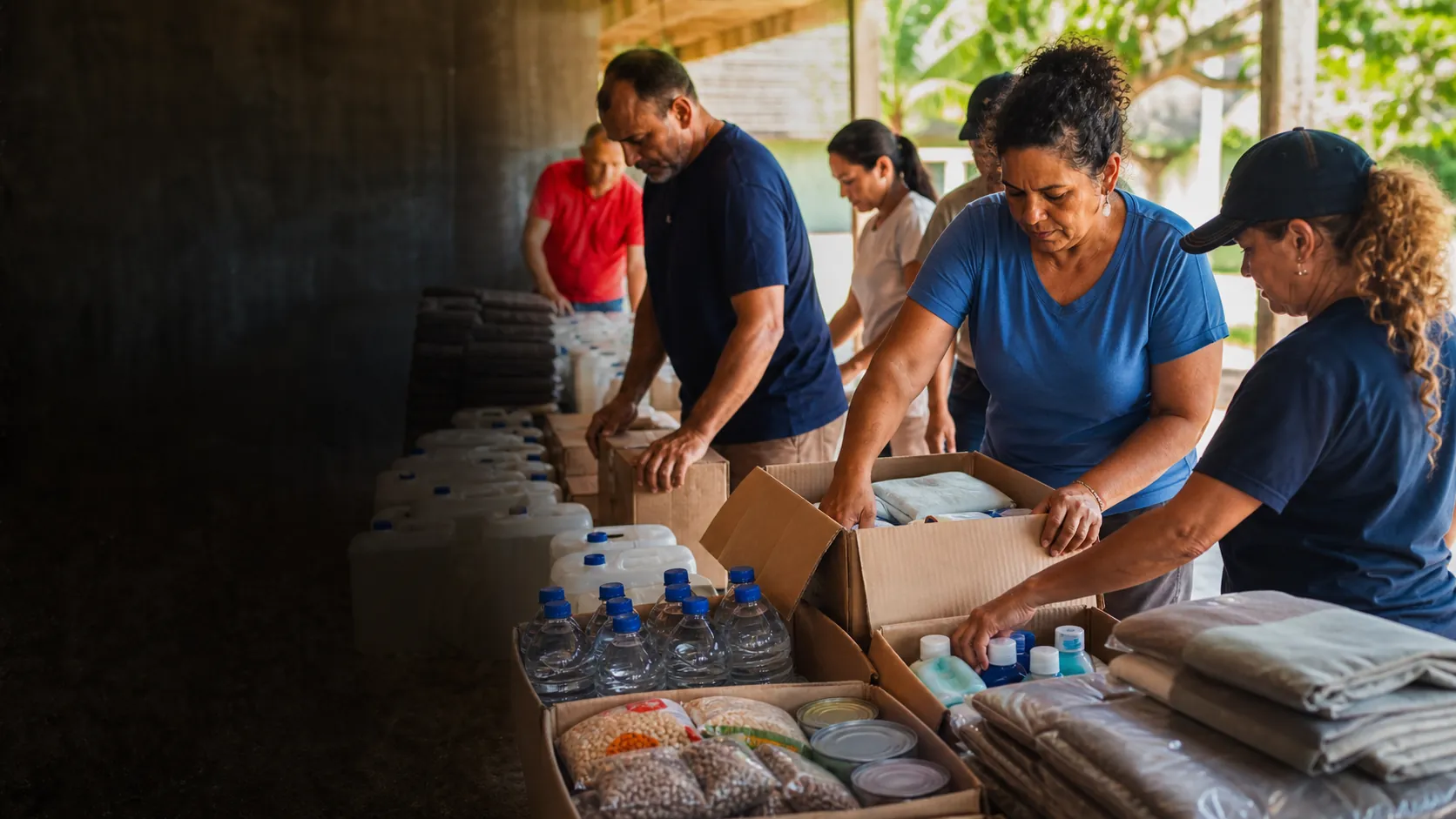
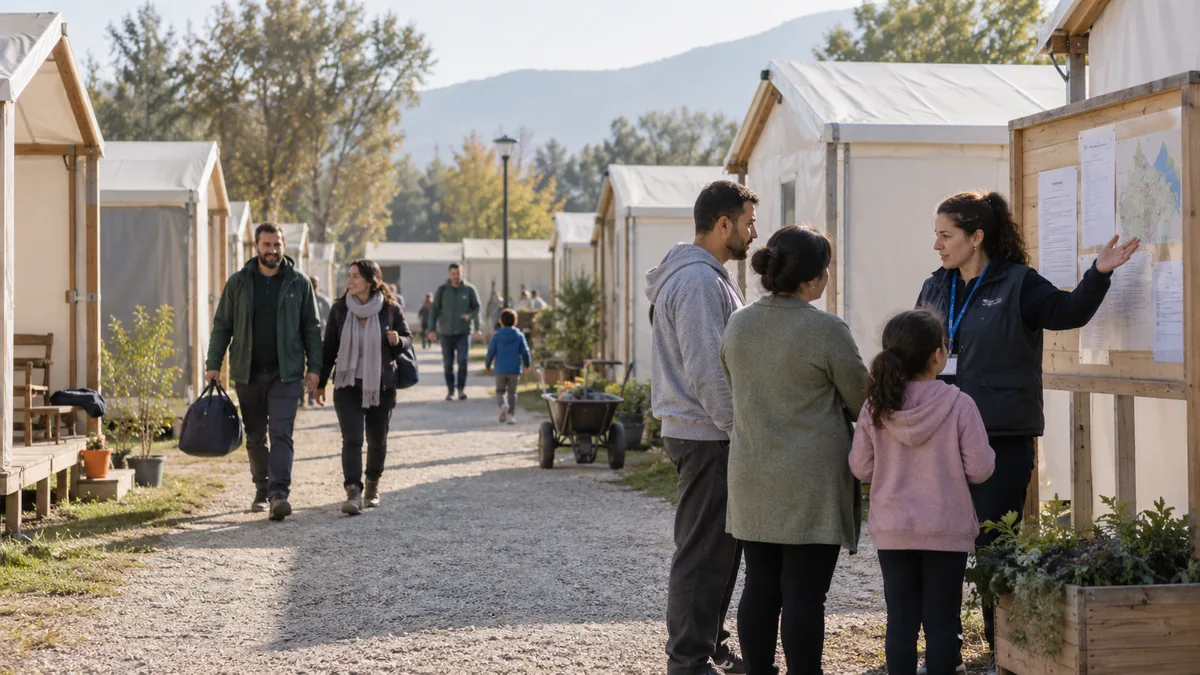
Distribution, reception, guidance and first support are immediate needs when families lack food, water or protection.
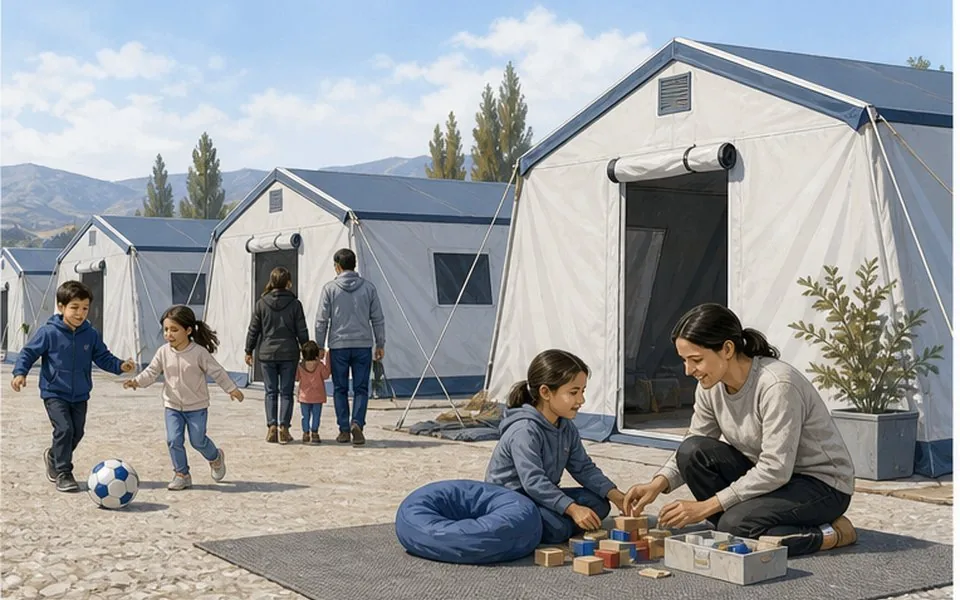
Children are especially exposed during displacement: shelter, hygiene, school access, healthcare and protection must be addressed together.
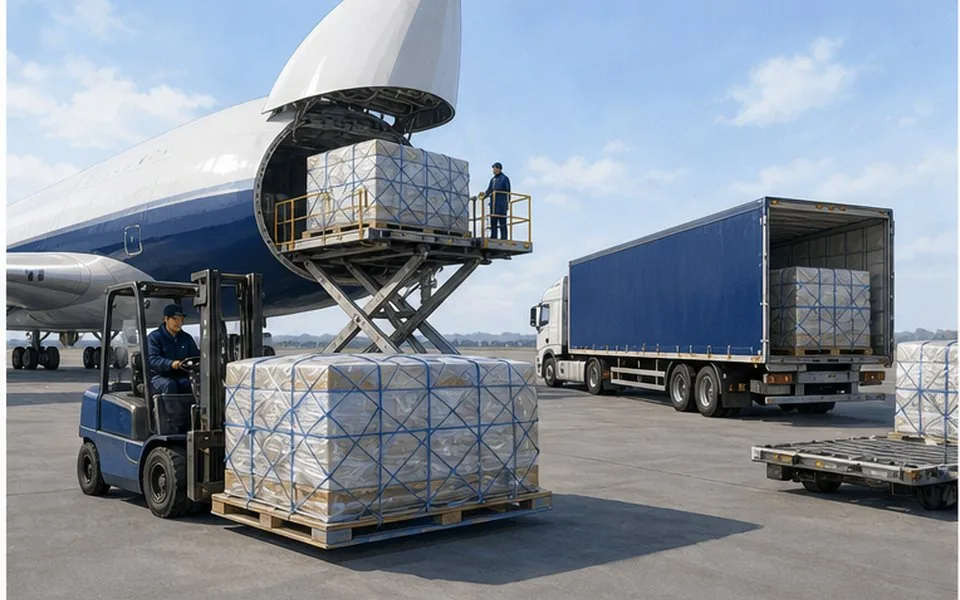
Logistics makes aid possible: transport, storage, kits, local coordination and safe access shape the speed of response.
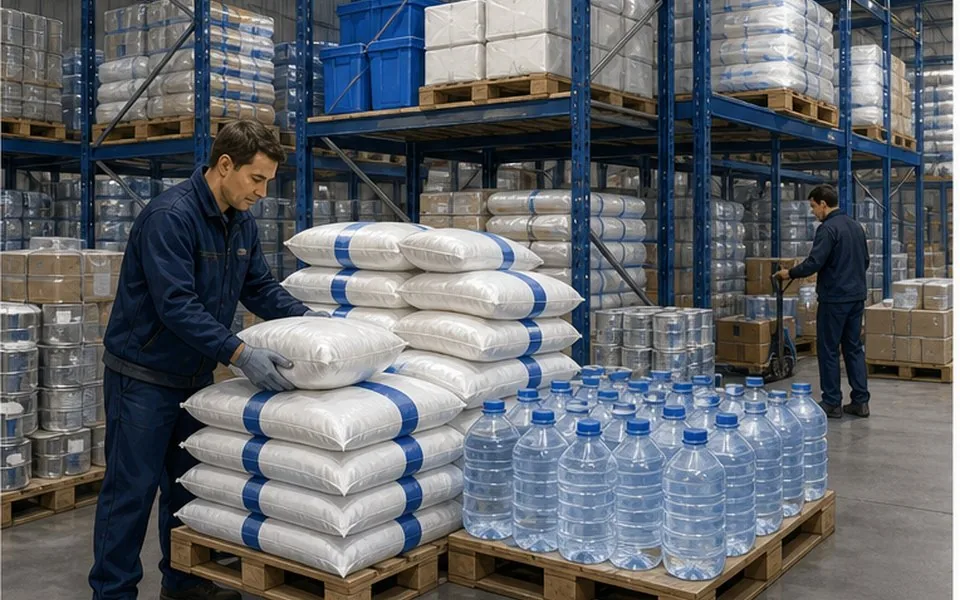
Food security, nutrition, water access and income support are linked: emergency response and recovery often need to move together.
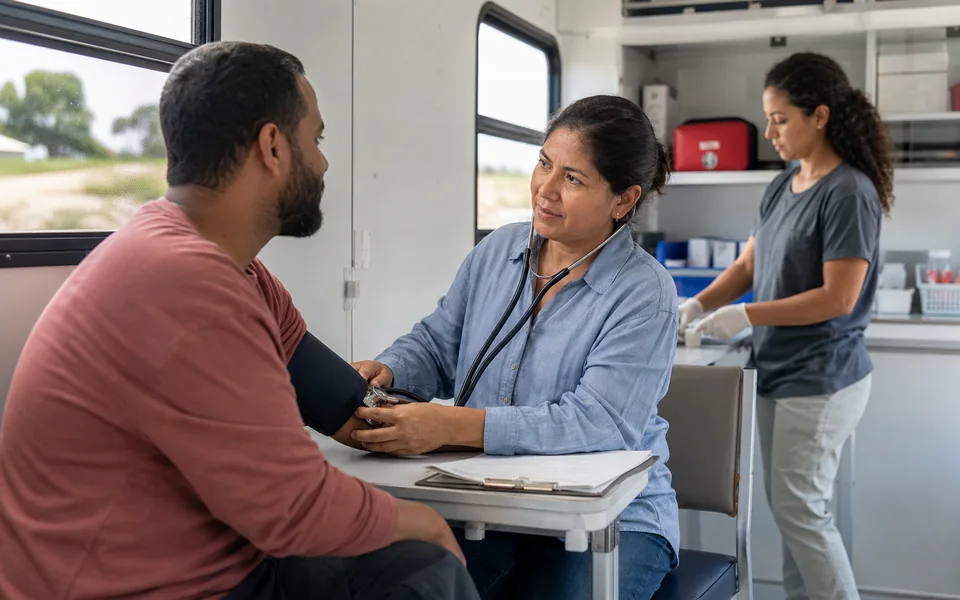
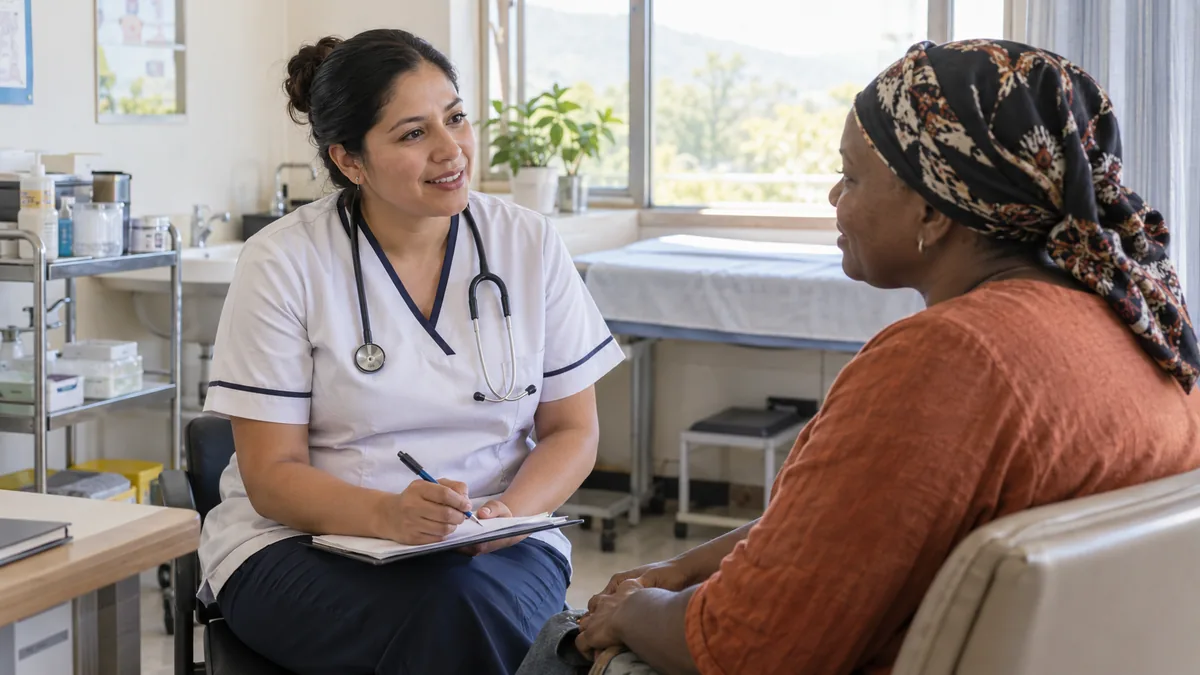
Local consultations, essential medicines and referral pathways help maintain continuity of care in fragile settings.
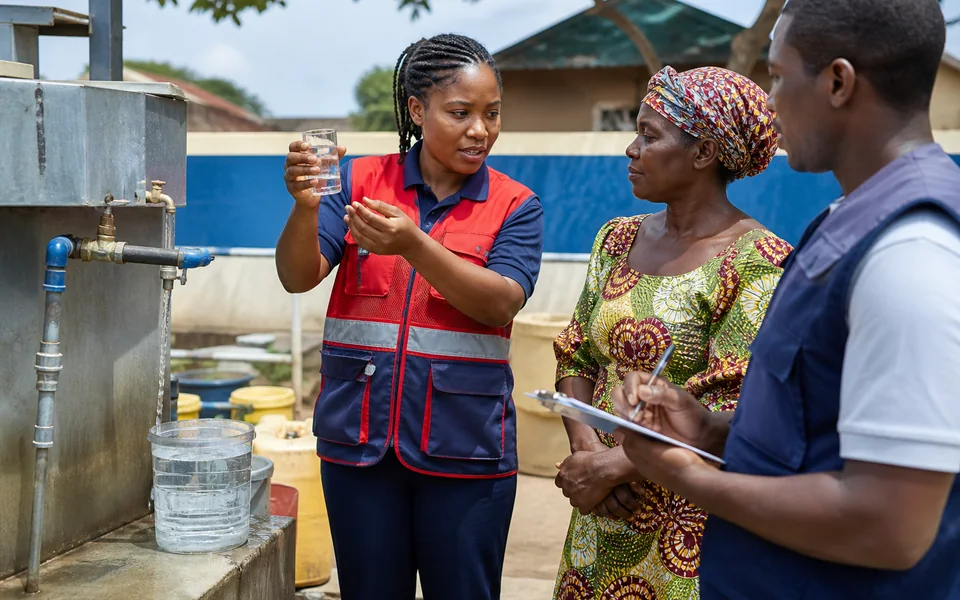
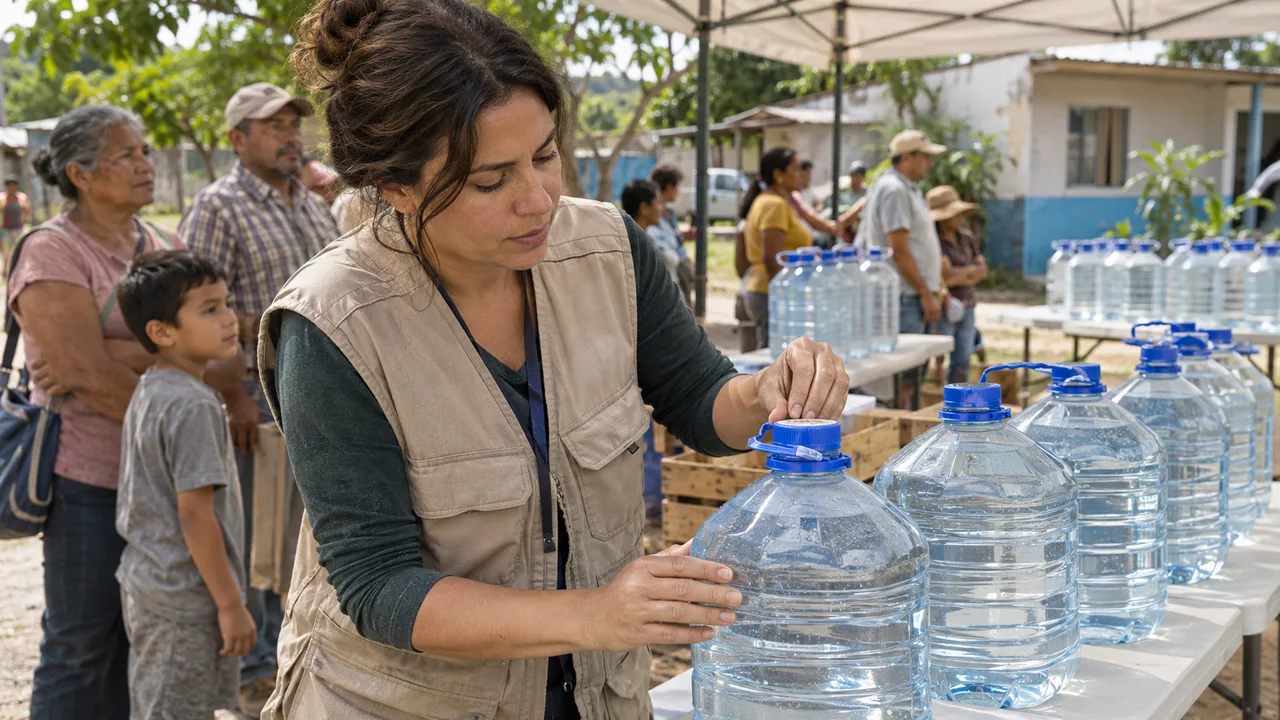
Access to safe water, hygiene and sanitation reduces health risks and strengthens communities over time.
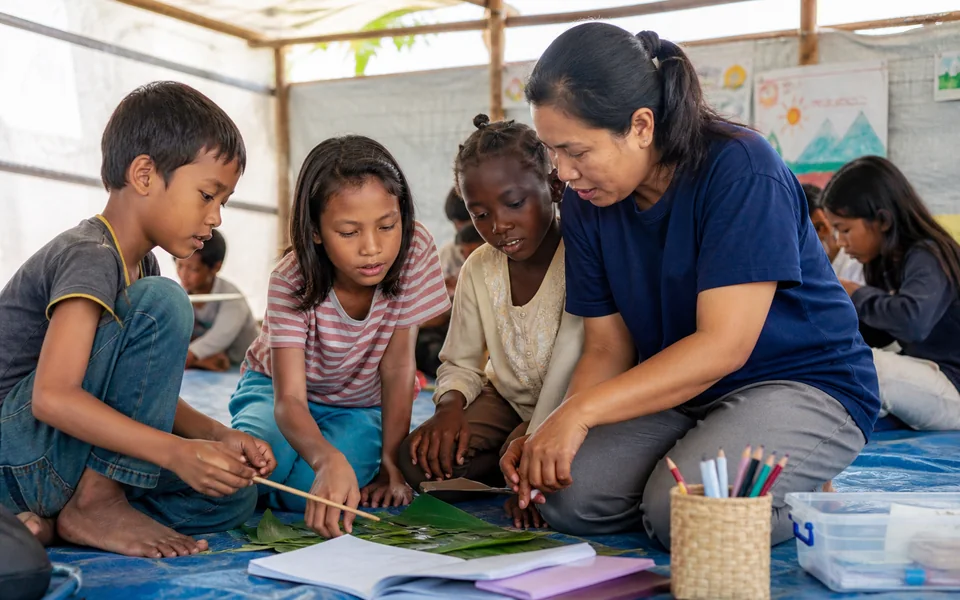
Even during a crisis, safe learning spaces provide children with continuity, routine and protection.
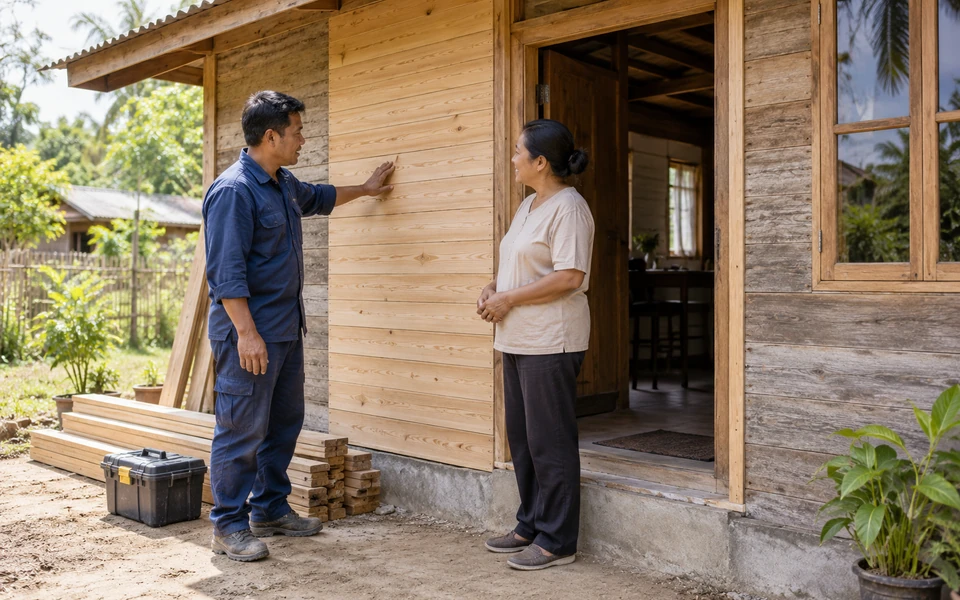
Repairing homes and strengthening infrastructure with communities helps reduce risk during future shocks.
AI-generated image · fictional scene.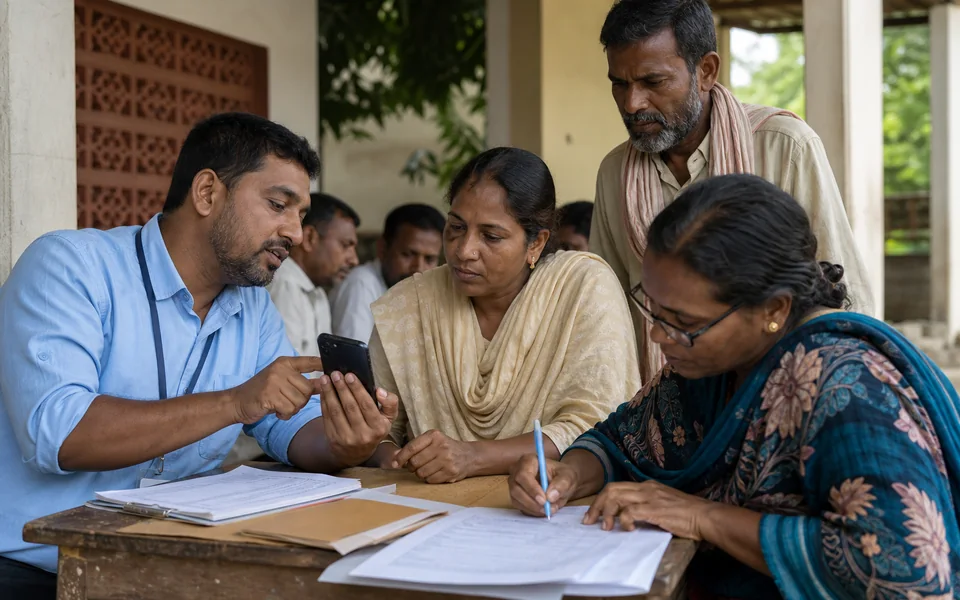
Cash or digital assistance can give households the freedom to prioritize their own essential needs.
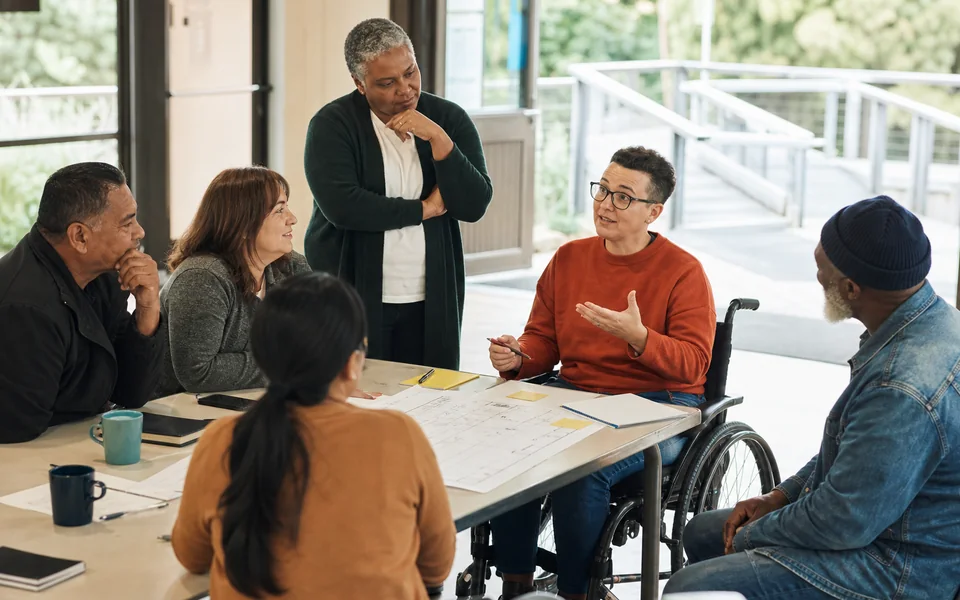
Useful humanitarian action is designed with affected people so services are genuinely accessible to everyone.
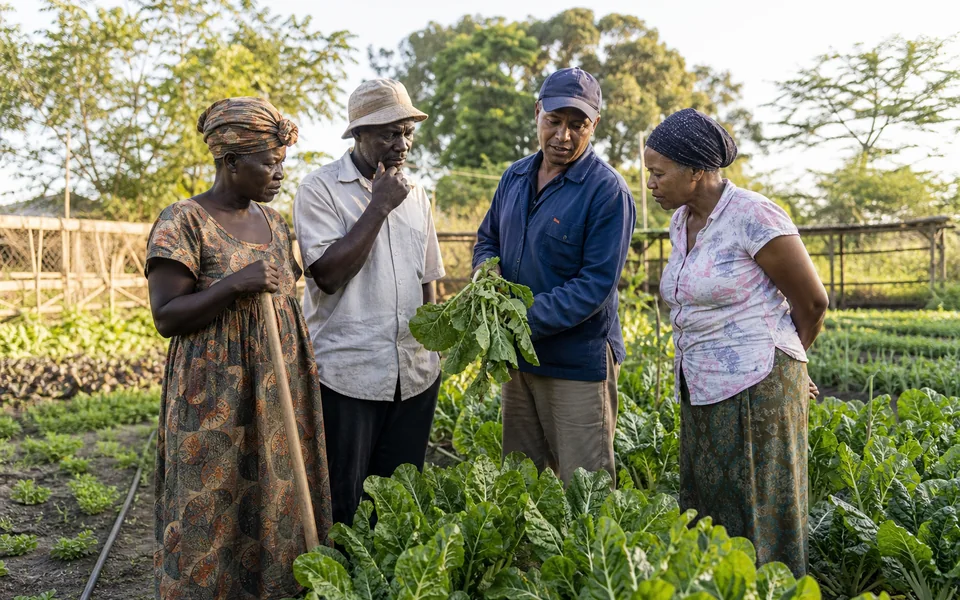
Supporting local activities, skills and resources helps families rebuild income and lasting autonomy.

Listening, information and social connection can help people and communities navigate a crisis with greater stability.
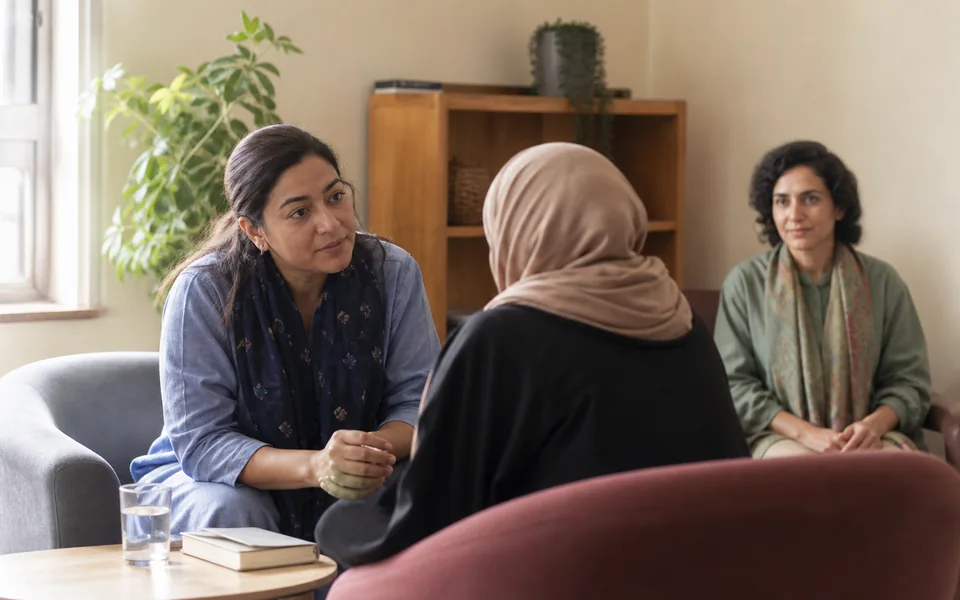
Safe spaces, clear information and confidential guidance help people understand their rights and options.
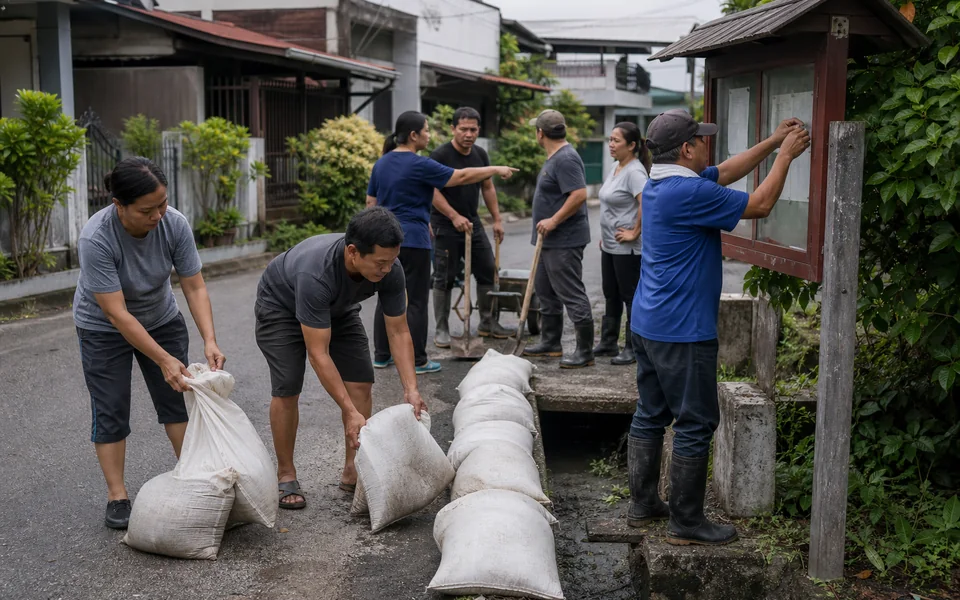
Preparing for climate hazards with residents helps protect homes, services and livelihoods earlier.
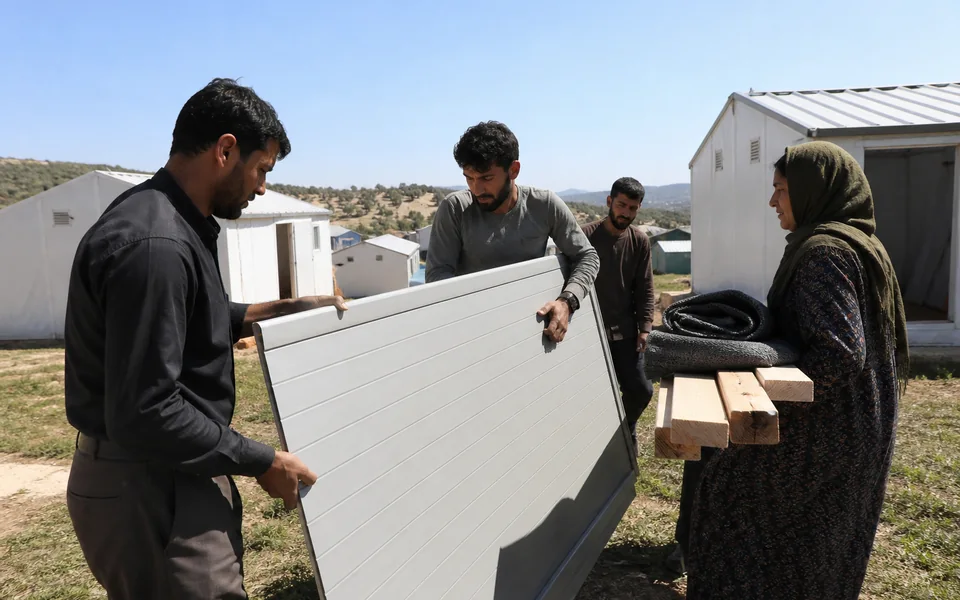
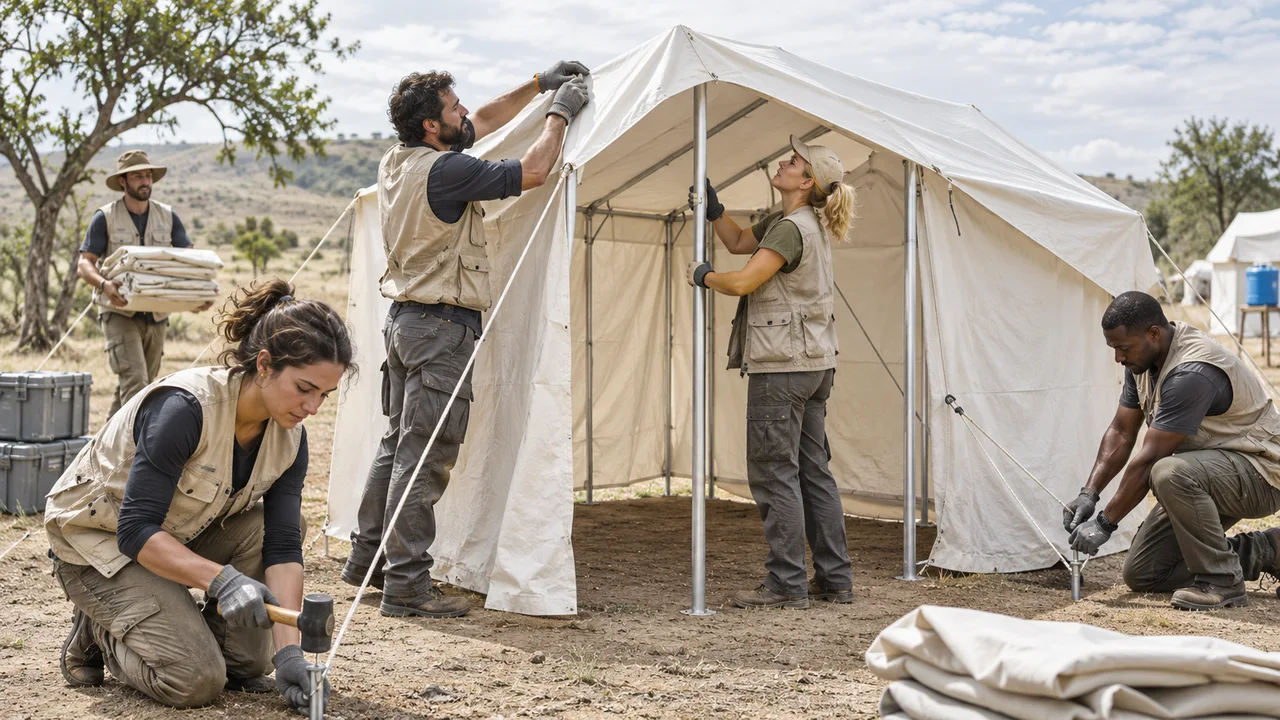
Safe shelter protects privacy, health and a family’s ability to recover after displacement or disaster.
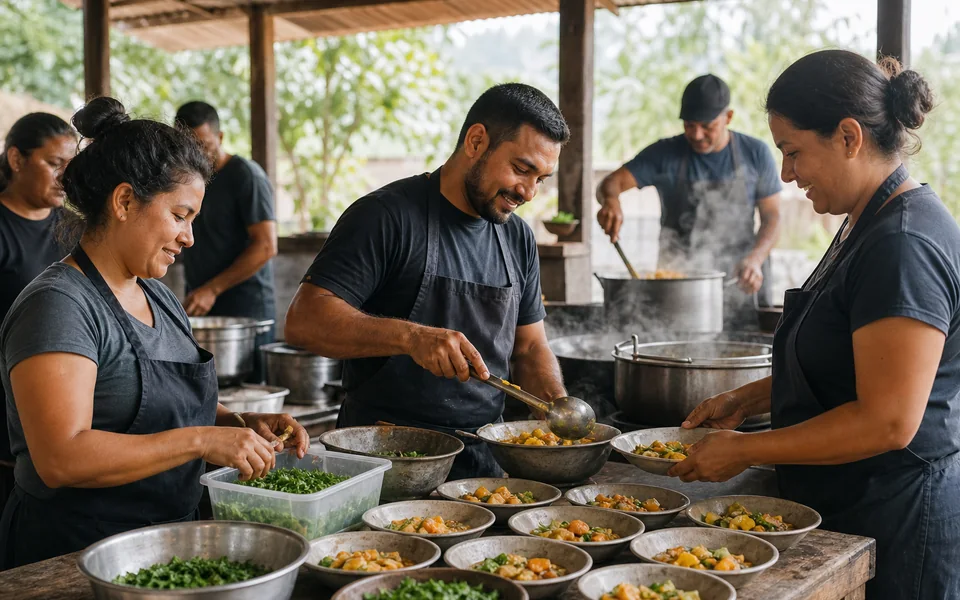
Locally prepared balanced meals can support nutrition, social connection and responses suited to food habits.
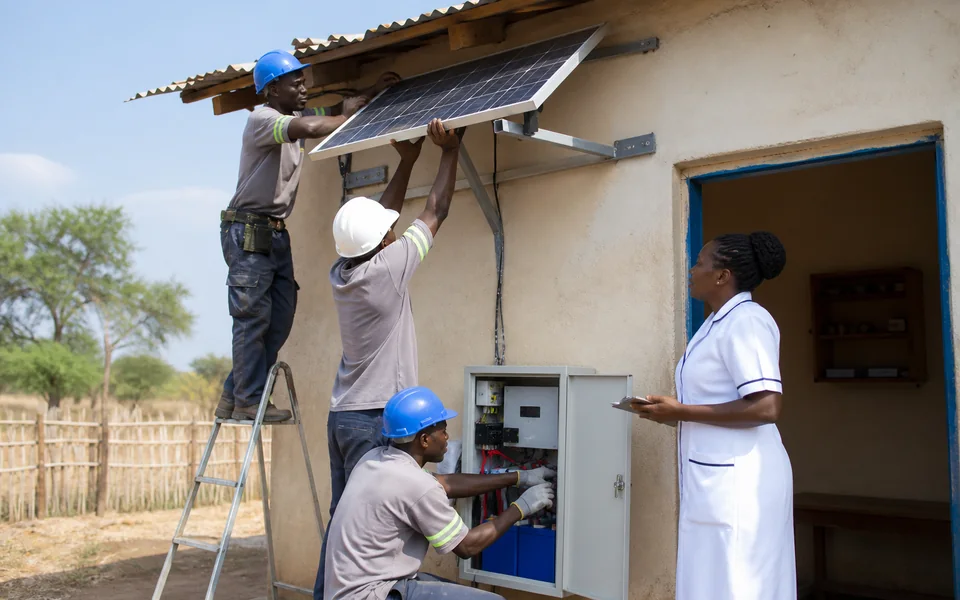
Reliable power helps health services preserve essentials, provide light for care and remain open longer.
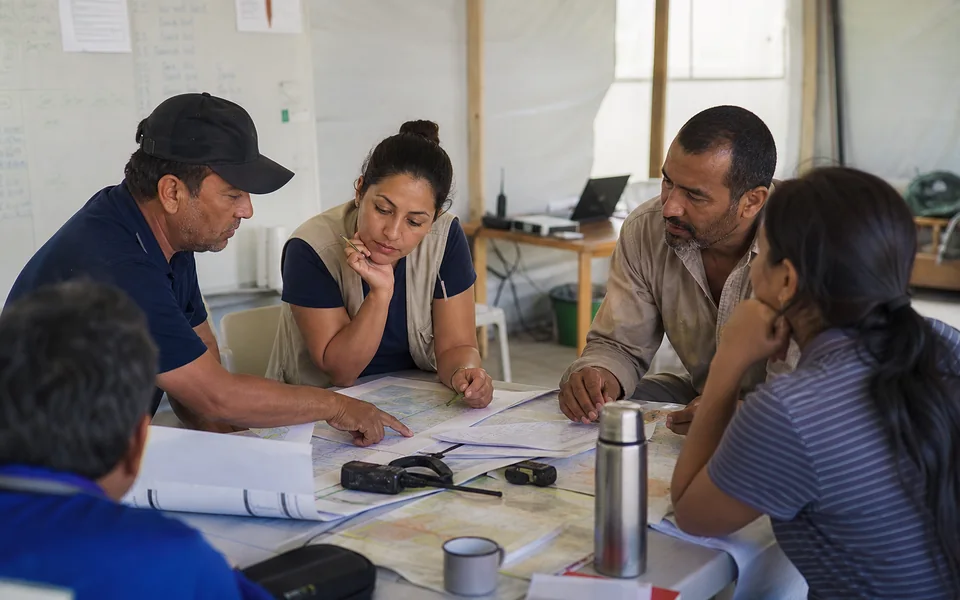
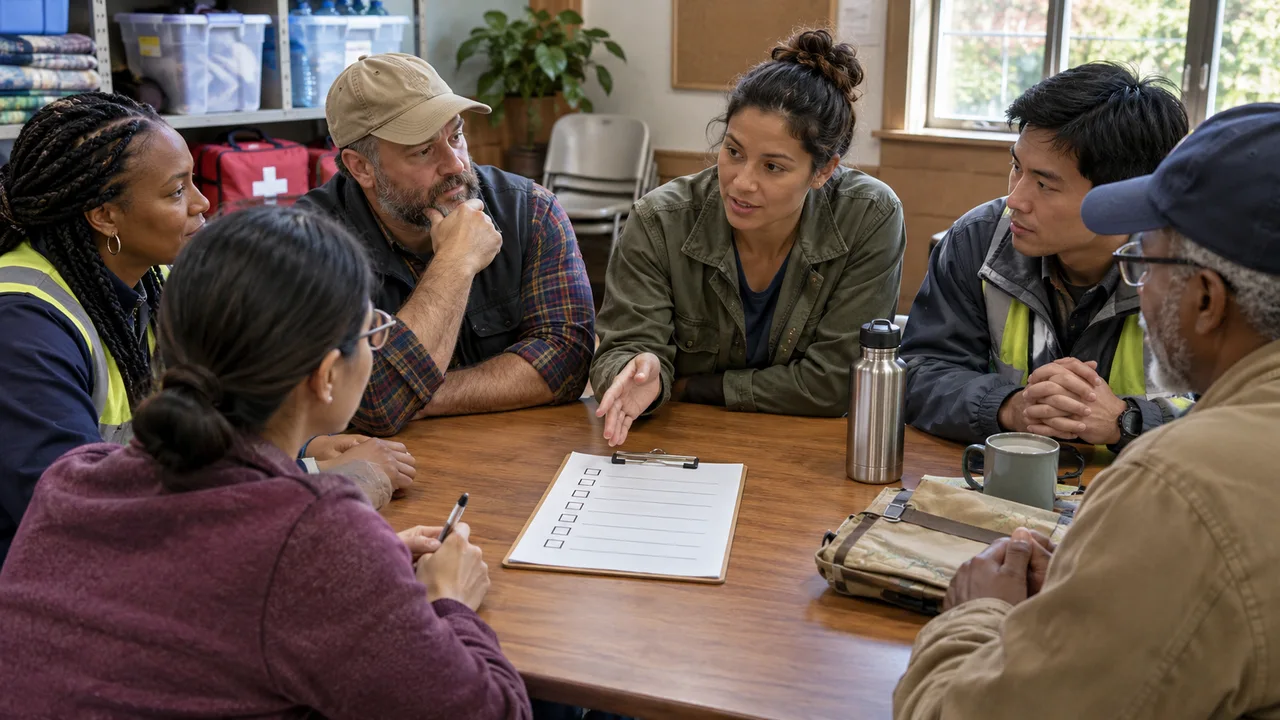
Coordinating local actors, information and routes helps target aid better and prevent gaps.
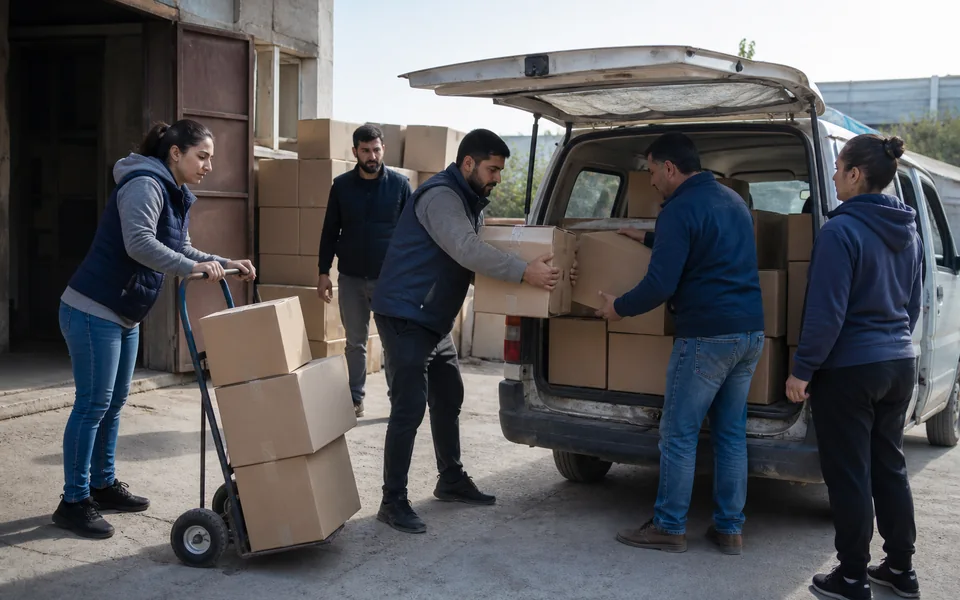
The last journey is often decisive: local networks bring supplies closer to people and hard-to-reach places.
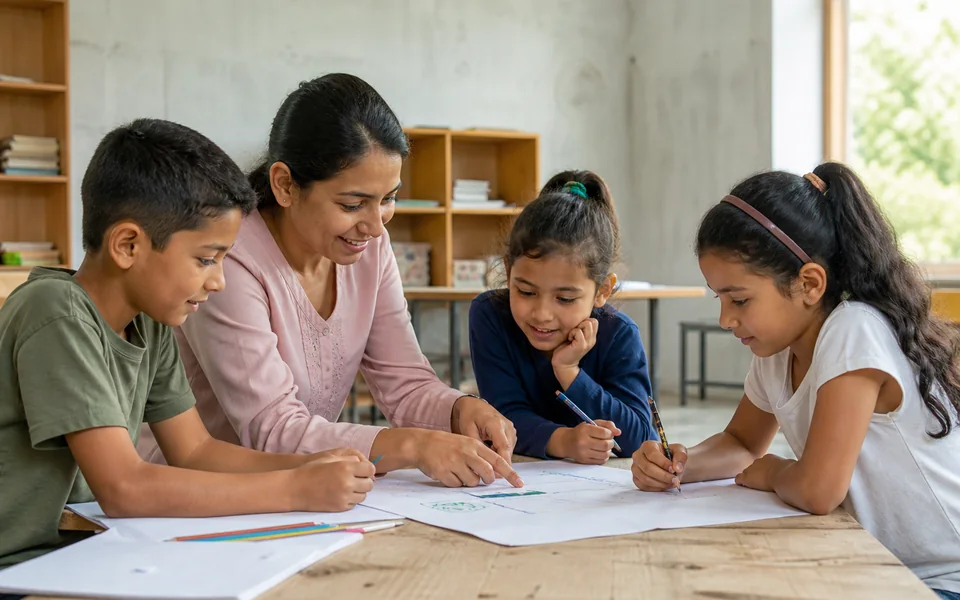
Maintaining regular learning helps children keep routines, relationships and prospects for the future.
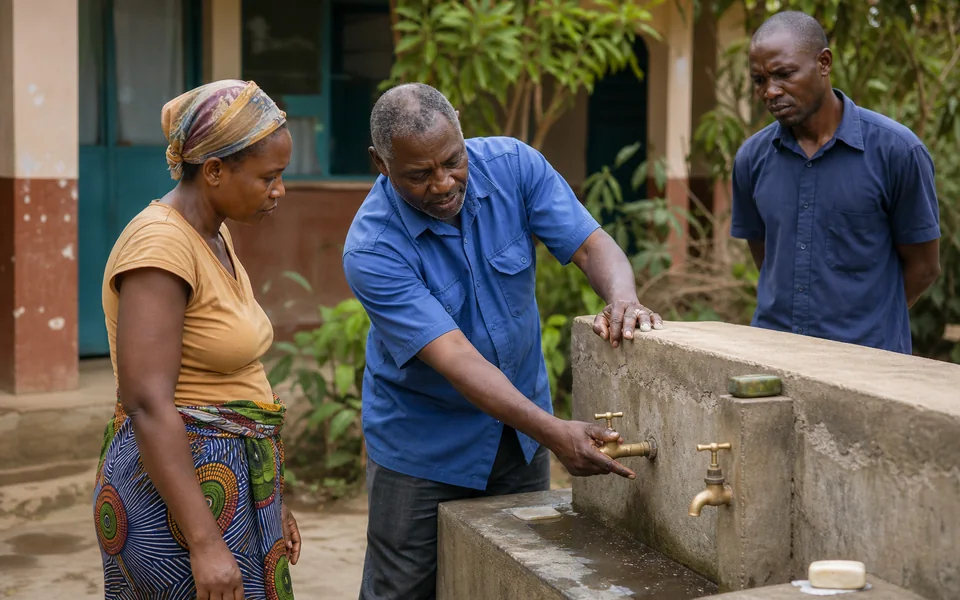
Simple facilities maintained with residents make everyday hygiene easier and reduce disease risk.

Cooperatives and collective activities can strengthen income, mutual support and decision-making within communities.