
Check the system before the role
Ask for an accessible policy, named lead, risk assessment and reporting procedure. Screening under local law complements rather than replaces training and supervision.
Understand the code of conduct
Rules should cover contact, private messaging, gifts, transport, favouritism, discipline, images, social media and contact outside activities.
Respect voice and privacy
Explain activities in an age-appropriate way, follow required permissions and never promise secrecy when information indicates risk. Use approved devices and channels only.
Respond to a concern
Stay calm, listen without interrogating, do not confront a suspected person, record relevant facts and report promptly to the designated lead.
A missing relative: supported tracing
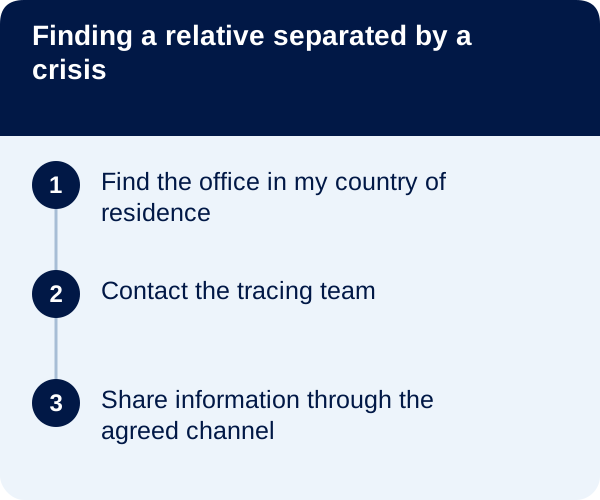
The Restoring Family Links network helps families who have lost contact because of conflict, disaster or migration. Start with the Red Cross or Red Crescent office in the country where you currently live, even if your relative is elsewhere. The service is free.
The team collects information needed for tracing and explains how it will be shared with your consent. Use this confidential route instead of posting names, documents or travel routes on social media. A search does not guarantee that someone will be found, family reunification or immigration status. A person’s decision not to resume contact must be respected.
ICRC — Restoring Family Links · Official source ·
A young person contacts you privately outside the assignment
Illustrative fictional scenario: After an activity, a minor sends a personal message to a volunteer and asks for secret contact. Even well-intended private contact can fall outside safeguarding arrangements and make concerns harder to report.
Follow the organization’s policy and contact its designated lead through the agreed channel. Do not promise secrecy, investigate independently or circulate the conversation to a group. Share only necessary information with authorized people. Report concerns without waiting for complete proof; immediate danger requires the country’s appropriate emergency services.
UNICEF — Safeguarding · Official source ·
Recruitment screening does not replace supervision
Initial selection alone cannot safeguard children day to day. Examine how activities work: authorized contact, supervision, communication rules and the procedure when behaviour raises concern.
- Activities: check who authorizes and supervises.
- Communication: use the organization’s channels.
- Concern: know the focal point and backup.
Safeguarding needs an ongoing system, not a document shown once.
UNICEF · Safeguarding · Official source ·
Check a role in 6 steps
- 1
Read the policy
Check scope, principles and review date.
- 2
Identify the lead
Know the safeguarding focal point and reporting channels.
- 3
Understand the role
Clarify tasks, location, schedule, supervision and contact.
- 4
Complete training
Practise rules through realistic scenarios.
- 5
Protect data
Use only approved devices, images and channels.
- 6
Report, do not investigate
Pass facts through the stated procedure.
Warning signs
- Immediate access to children without screening or training.
- An isolated role without supervision or presence rules.
- Private messages, gifts or improvised transport.
- Photos requested for a volunteer’s personal accounts.
- Instructions to handle a concern quietly without reporting.
Frequently asked questions
Is a background check enough?
No. Where relevant under local law, it complements policy, references, training, supervision and conduct rules.
Can I share my personal number?
Only when the policy and role explicitly allow it; supervised institutional channels are preferable.
What if a child tells me something?
Listen, do not promise secrecy or ask leading questions, explain that help is needed and report through the procedure.
Can I post a photo with parental permission?
Permission alone does not remove the need to assess the child’s interest, agreement, risk, context and organizational rules.
Official sources
Always verify the date and conditions on the official source.
Organisations and resources to explore
These examples relate to the topic through their documented activities. They are neither a ranking nor a guarantee of availability; check each organisation’s terms and requirements.
Global Protection Cluster
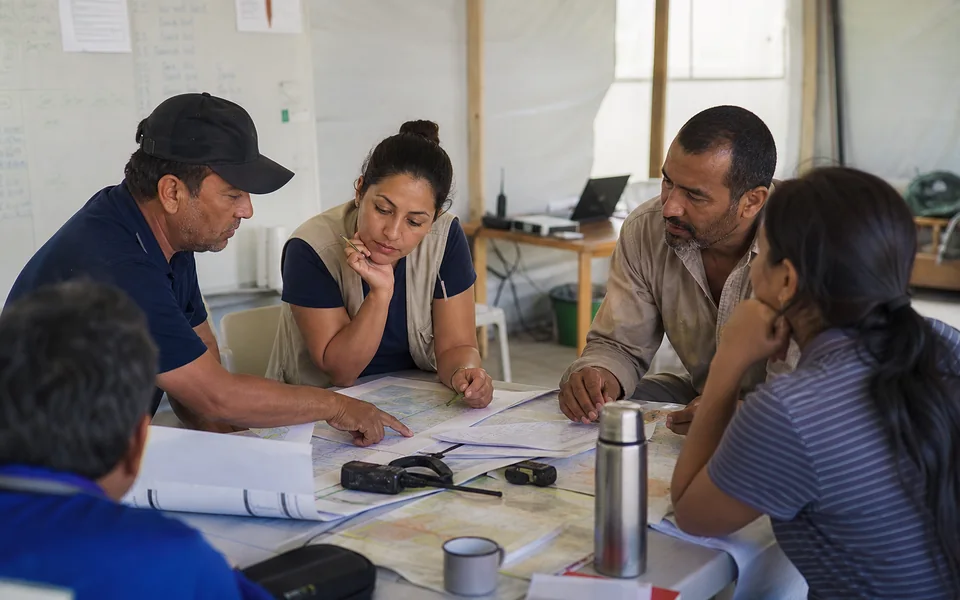
The UNHCR-led Global Protection Cluster coordinates local and international protection actors. Specialist work includes child protection, gender-based violence and mine action.
View directory record →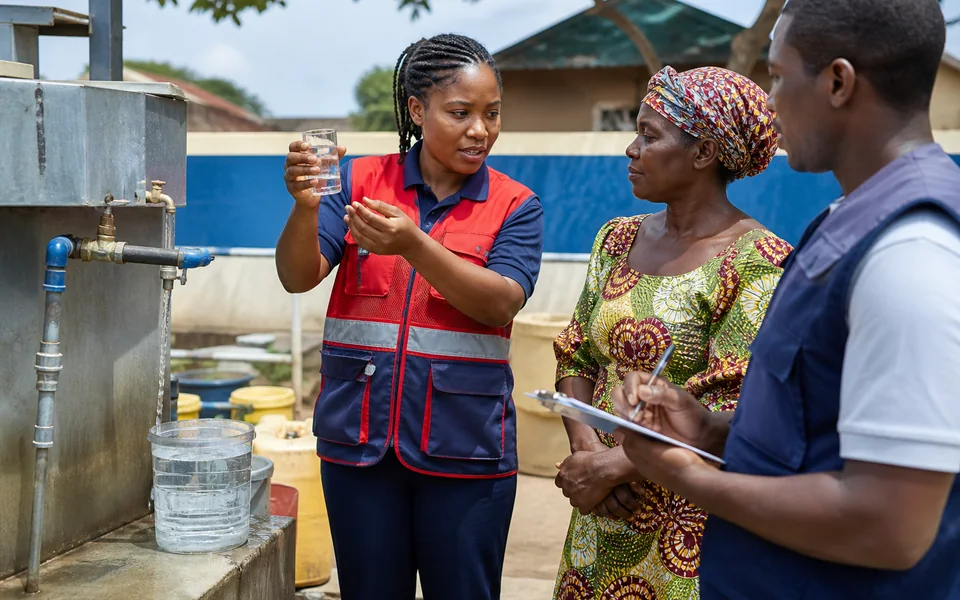
UNICEF
UNICEF, the United Nations agency for children, combines rights protection, education, health and immunization, nutrition, water and sanitation. Work includes humanitarian response, data, evaluation and logistics. This entry describes the international agency; national committees have their own support and engagement channels.
Supply: connect products and programmes
UNICEF Supply Division publishes market information, product resources and an annual report. This complements programmes by connecting supplies with procurement and delivery.
A product page is neither medical guidance nor an open appeal for individual goods donations; distinguish technical information from confirmed operational demand.
UNICEF ↗ ·
Geneva Call
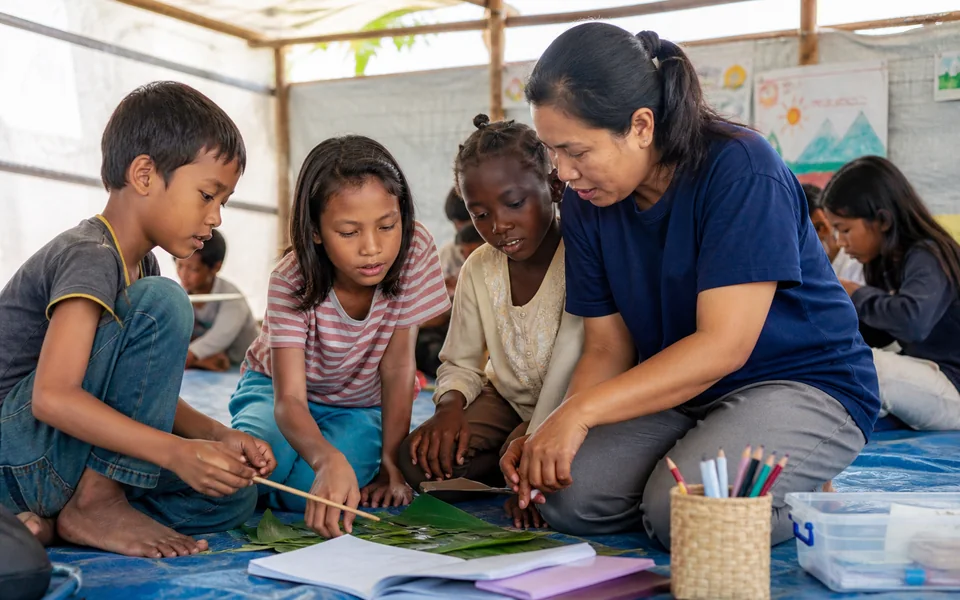
Geneva Call engages armed groups and de facto or provisional authorities to strengthen humanitarian norms and civilian protection through dialogue, awareness raising and training.
View directory record →