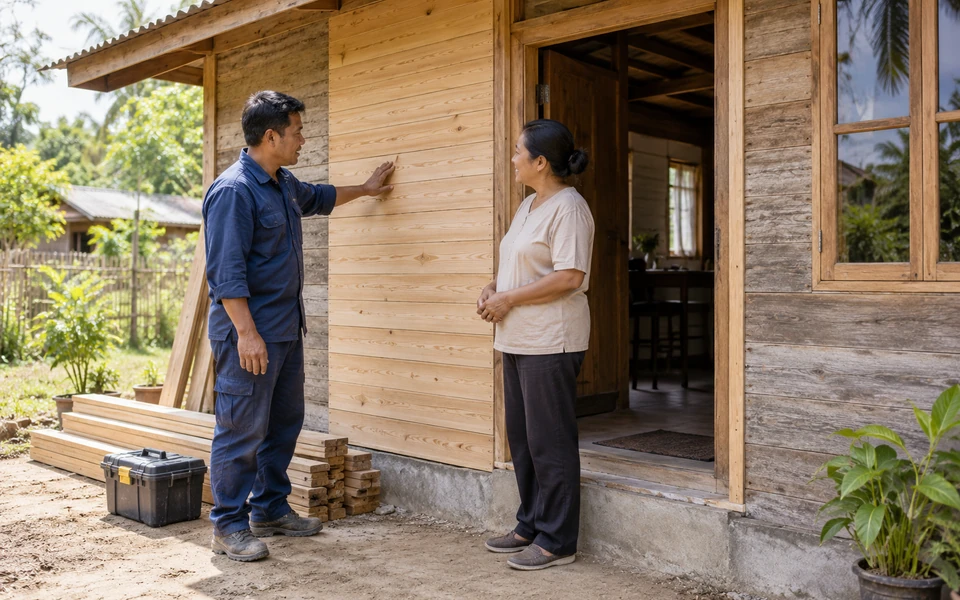
Start from real options
A tent is not the automatic answer to displacement. Families may already stay with relatives, rent a home or share a collective building; every option has costs and risks.
Support may cover repairs, rent, materials, site upgrades or legal guidance according to local assessment and displaced people’s choices.
Assess safety, privacy and accessibility
Location, structural stability, drainage, fire risk, lighting and safe routes affect protection. Shelter must also allow rest and privacy.
Ask older and disabled people, children and families about their needs. A technically sound shelter that is isolated or inaccessible may fail in practice.
Plan maintenance and the next step
Temporary responses can last a long time. Who repairs the shelter, pays for services and handles complaints? Coordination with authorities and residents helps avoid gaps and tension.
A credible programme explains how it will monitor quality and help people move toward a more stable option when possible.
A usable shelter: for how long and on what terms?
Housing, land and property issues also affect people without formal title. UNHCR highlights security of tenure and understanding local arrangements. Improving a building does not by itself resolve eviction risk or a dispute over the right to occupy it.
Before supporting repairs or rent assistance, ask who authorizes occupancy, for how long, at what cost and how disputes are handled. Refer rights questions to a competent local legal service; temporary accommodation should not be presented as a lasting housing entitlement.
UNHCR — Housing, Land and Property · Official source ·
A shelter place is assigned but does not meet household needs
Illustrative fictional scenario: A household receives space in collective accommodation. The family reports difficult toilet access and insufficient privacy. Counting an allocated place does not establish that it is usable or protective.
Share these needs with the shelter lead and feedback channel while respecting confidentiality. Ask which adaptations or alternatives can be assessed, who follows up and when the situation is reviewed. Do not alter installations yourself or promise permanent housing. Responses may combine accommodation, support and materials, depending on context and qualified assessment.
IFRC — Shelter and settlements · Official source ·
Location matters as much as shelter
Shelter is part of a setting: water, school, care, livelihoods and transport. A distant solution may shift the difficulty to daily journeys or separate people from support networks.
- Services: examine journeys people can actually make.
- Use: ask the household about the layout.
- Next steps: clarify maintenance and possible changes.
Technical assessment of land or structures requires qualified professionals.
IFRC · Shelter and settlements · Official source ·
Compare a shelter programme in five points
- 1
Understand the setting
Identify the place, displacement and existing options.
- 2
Check safety
Review structure, drainage, access, lighting and protection.
- 3
Listen to residents
Look for consultation with displaced and host communities.
- 4
Examine services
Water, toilets, health, school and transport also matter.
- 5
Follow the duration
Ask who maintains the shelter and what comes next.
Misleading shortcuts
- Counting only tents distributed.
- Ignoring occupancy rights or land risks.
- Placing people far from services and social ties.
- Calling a temporary option permanent housing.
Frequently asked questions
Is a camp always necessary?
No. Urban, hosted or existing housing options may be preferable depending on the setting and people’s choices.
Why ask about drainage and lighting?
They affect physical safety, access and use of shelter at night or during rain.
How can I help usefully?
Check needs published by a competent organization and use its official channel; avoid unrequested materials.
Official sources
Always verify the date and conditions on the official source.
Organisations and resources to explore
These examples relate to the topic through their documented activities. They are neither a ranking nor a guarantee of availability; check each organisation’s terms and requirements.
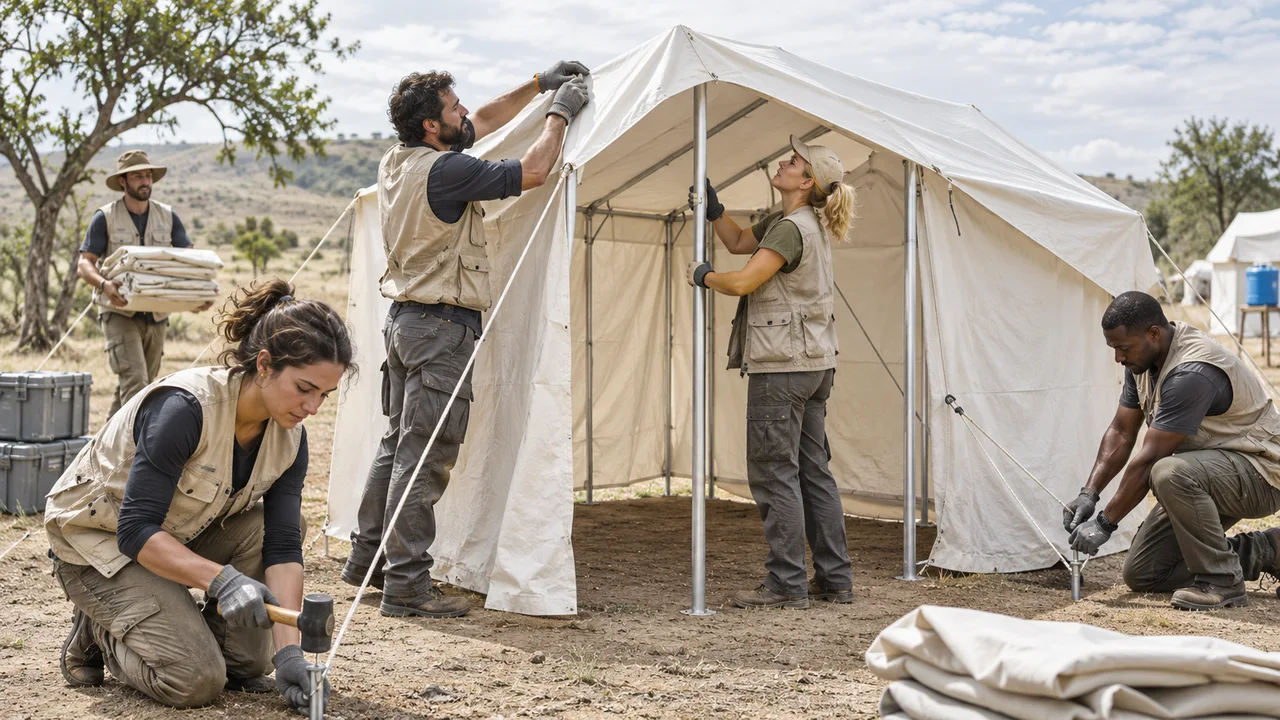
ShelterBox
ShelterBox adapts emergency shelter, essential household items and support to communities after disasters or conflict. Responses may include tents, repair materials, tools, training or cash. The choice depends on needs and operating conditions rather than a universal kit.
View directory record →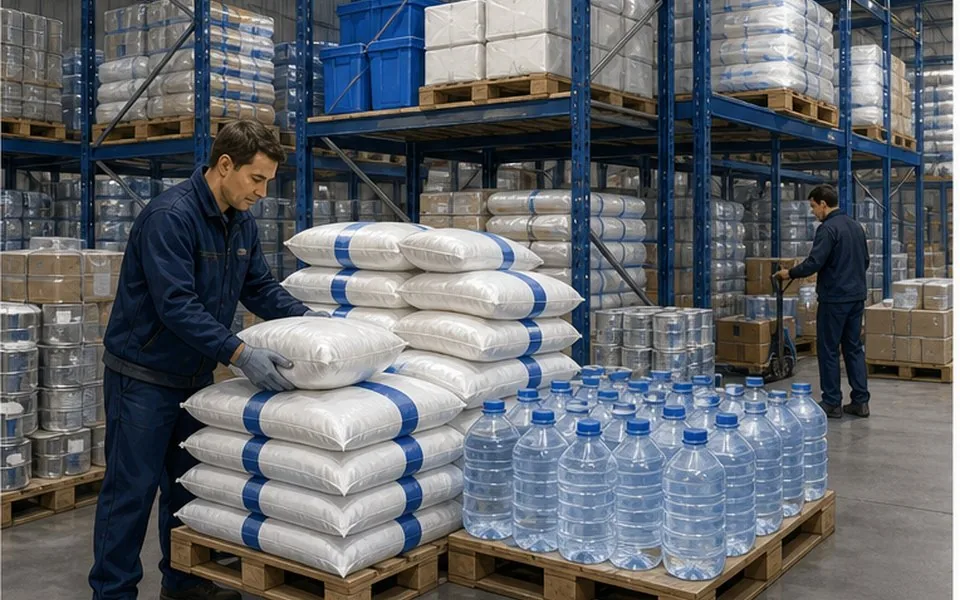
Norwegian Refugee Council
NRC supports people forced to flee and protects their rights. Documented activities include education, shelter, information and legal assistance, protection from violence, livelihoods, food security, water and hygiene. Country programmes specify the services and populations concerned.
ICLA: targeted legal support
ICLA covers housing, land and property, legal identity, residency, internal displacement registration, employment law and access to essential services. One problem can therefore involve several areas.
The global description guarantees neither a local service nor acceptance of a case; check the relevant country operation.

Habitat et Humanisme
Habitat et Humanisme combines adapted housing, support towards independence and social connections, including individual or shared homes, inclusive housing and emergency accommodation.
View directory record →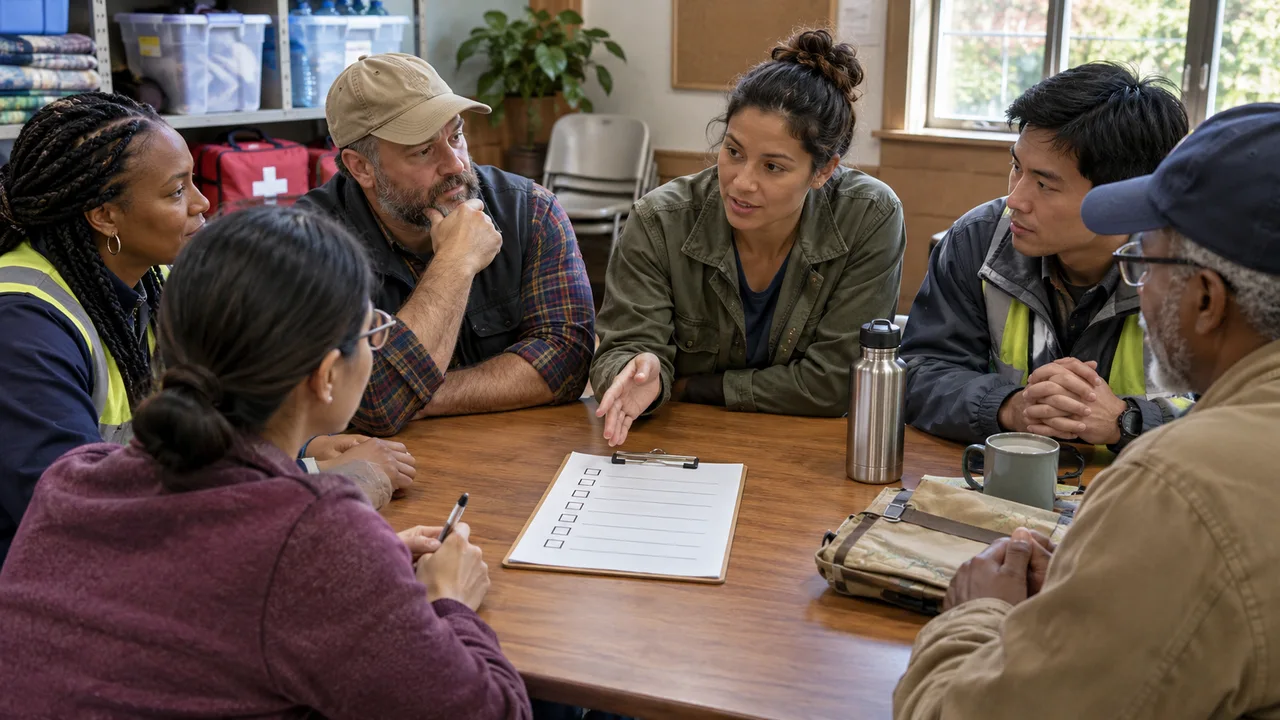
Global Empowerment Mission
Global Empowerment Mission describes hurricane preparedness, rental assistance, small-business support and residential repair or rebuilding programmes.
View directory record →