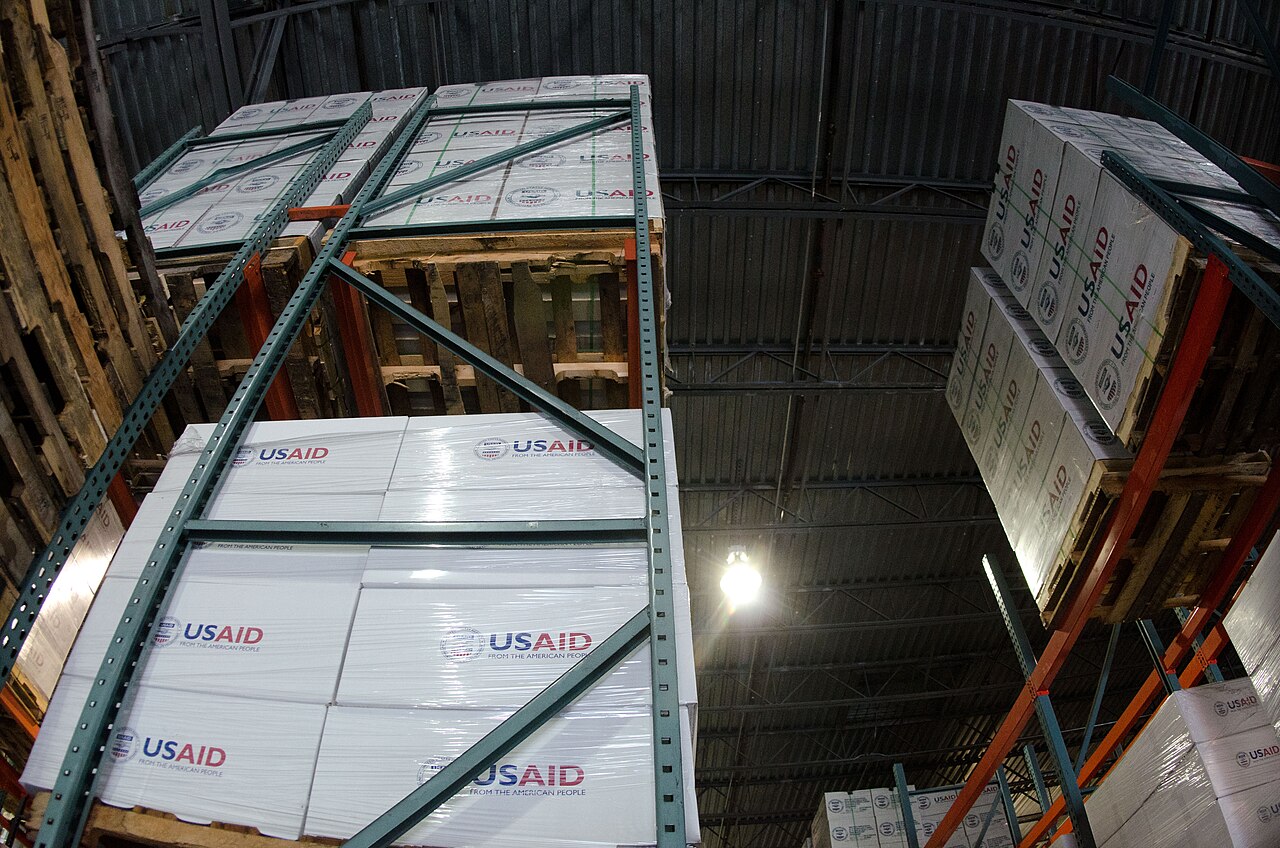
Start with a verifiable request
Confirm the organization, date, destination, quantities, specifications and delivery point before collecting anything.
Ask what is accepted, refused and who manages the next steps.
Calculate the full cost
Packing, inspection, warehousing, insurance, transport, customs and final delivery all require resources.
Compare local procurement, financial support and a goods collection with the organization that understands the context.
Protect quality, safety and dignity
Do not send medicines, infant formula, food or medical equipment outside a specialized programme.
Check condition, size, season, expiry, language, electrical compatibility and cultural suitability.
Document the handover and stop on time
Follow packing and delivery instructions, keep an inventory and close the collection when the target is reached.
Do not travel spontaneously to a crisis area or demand photographs of recipients.
Plan for returns and programme closure
Reverse logistics includes returning rejected goods, transferring equipment, recovering packaging and managing unusable products. These flows carry costs even when goods were donated. The Logistics Cluster guide recommends accounting for them during planning.
Before a collection, agree with the recipient what happens to surplus goods, damaged packages and packaging. Identify a responsible person and a budget for returns or disposal. Hazardous waste and expired medicines require competent disposal services; improvised redistribution is not a solution.
Logistics Cluster — Reverse Logistics · Official source ·
Clothing is available, but nobody has confirmed receipt
Illustrative fictional scenario: A group wants to ship clothing immediately. The recipient has not confirmed sizes, season, sorting or storage space. Transport can shift cost and work onto a team without receiving capacity.
Obtain a needs list and receiving agreement before collecting. Agree quality criteria, packaging, timing and a contact, then keep a batch inventory. If the team cannot accept the stock, discuss another contribution. Medicines and regulated products require a specialist supply channel rather than an improvised collection. Fictional example: a collection receives fifty boxes, but only twenty match the requested needs and format. Received volume does not measure delivered usefulness. Before sending goods, ask who accepts them, under which specifications and who funds sorting, transport and storage. These figures do not represent collections generally.
Logistics Cluster — Inventory control · Official source ·
Medicines: use a specialist request
WHO guidance says medicine donations should meet a need expressed by the recipient, comply with the recipient country’s rules and follow a plan agreed with that recipient. An unsolicited collection of boxes, even unopened, does not establish clinical suitability, quality or permission to import and distribute them.
If a group offers medicines, do not add them to a general goods drive. Ask the receiving organisation whether it has an authorised medical channel, an exact request and an accountable receiving lead. Without a formal request, direct donors to the local return or disposal route in their country; do not arrange cross-border shipment.
Count units, not just cartons
A carton can contain different quantities and product references. Reliable counting distinguishes handling units, inventory units and identified items. Ask the recipient how packages should be labelled before sorting them.
- Contents: specify item, size and quantity.
- Packaging: distinguish carton, kit and individual item.
- Condition: separate rejected or damaged goods.
Carton totals show neither useful contents nor people served.
Logistics Cluster · Warehousing · Official source ·
Organize an in-kind donation in 6 steps
- 1
Find the original request
Check issuer, date, destination and list.
- 2
Confirm reception
Get a contact, location, schedule and conditions.
- 3
Compare options
Consider local purchase, cash support and material collection.
- 4
Inspect items
Match condition, quantity, size and expiry.
- 5
Plan logistics
Cover sorting, packing, inventory, storage and transport.
- 6
Close and report
Stop at the stated target and report without exposing people.
- 7
Check a medicine offer
Confirm need, recipient agreement, regulatory compliance and responsibility for transport before collecting anything.
Items that often create problems
- Mixed, unrequested clothing.
- Household medicines.
- Expired or opened food.
- Incomplete or incompatible equipment.
- Uncoordinated travel to a border or disaster area.
Frequently asked questions
Why is cash often recommended?
It can avoid logistics costs and let the organization respond to assessed needs through an official channel.
Can clothes be donated?
Only when a named organization publishes precise conditions for type, size, season, state and delivery.
What should happen to a surplus?
Do not ship it without agreement. Arrange an appropriate local reuse route with the organizer.
Are in-kind donations always less useful?
No. They can be essential when based on assessed needs, standards and coordinated logistics.
Can unopened medicines be sent without a request?
No. WHO discourages unsolicited medicine donations; only a competent programme can confirm need, quality, entry rules and distribution.
Official sources
Always verify the date and conditions on the official source.
- UNHCR Emergency Handbook — In-kind non-food item distribution
- UNHCR Emergency Handbook — Cash-based interventions
- European Commission — Humanitarian cash transfers
- Logistics Cluster — Reverse Logistics
- Logistics Cluster — Inventory control
- WHO — Donations of medicines and medical devices
- Logistics Cluster · Warehousing
Organisations and resources to explore
These examples relate to the topic through their documented activities. They are neither a ranking nor a guarantee of availability; check each organisation’s terms and requirements.

International Health Partners
International Health Partners sources and ships medicines and health supplies to equip clinics, hospitals and healthcare workers, including in conflict and crisis.
View directory record →
Medical Bridges
Medical Bridges redirects surplus medical supplies to underserved communities. Its website offers routes for requesting medical aid or donating supplies.
View directory record →
Heart to Heart International
Heart to Heart International runs medicine access, community health, disaster response, hygiene kit and laboratory programmes.
View directory record →