See the whole set of needs
Safe water, collection points, toilets, handwashing and waste management work together. If one part is missing, risks to health and dignity can remain.
Needs vary with season, site density, age, disability and the safety of the route. People using the services should be able to explain what works.
Look at quality and continuity
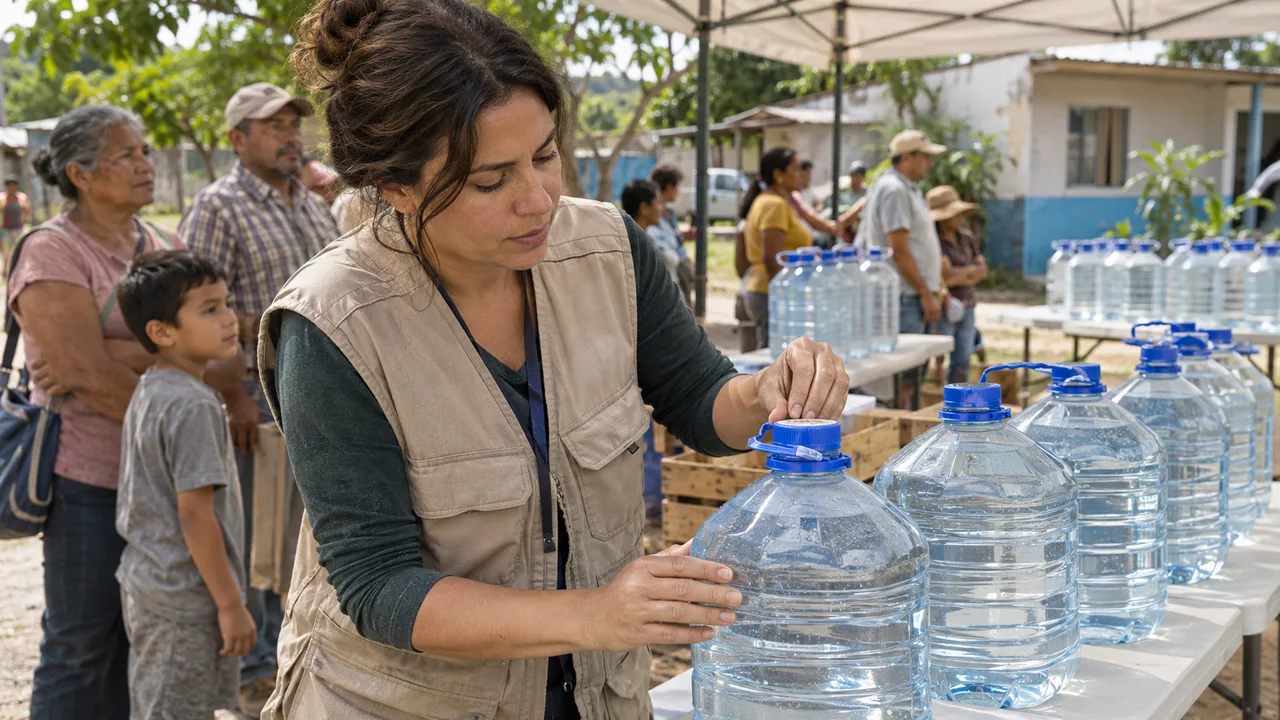
A visible tap does not prove that water is safe or available every day. Check whether an organization describes monitoring, maintenance, parts, power and responsibility after the first response.
Location matters as much as quantity: night access, privacy, distance, queues and independent use must be considered.
Support without improvising
Local utilities, authorities and specialist teams know which systems can be repaired or extended. Financial support through an identifiable organization may be more adaptable than shipping unrequested equipment.
Avoid sharing a universal water-treatment recipe. During a health alert, follow local authorities and qualified responders.
Check the whole journey to a service
UNICEF guidance addresses disability inclusion in protection, water and hygiene, education, health and nutrition. Adapting only a building entrance leaves out understanding information, reaching the site, using equipment and being able to request a change.
When examining a project, ask how children and adults with disabilities participate in preparedness, monitoring and recovery. An accessible water point must also be reachable and usable; information needs to be available in a form its intended users understand.
UNICEF — Including children with disabilities in humanitarian action · Official source ·
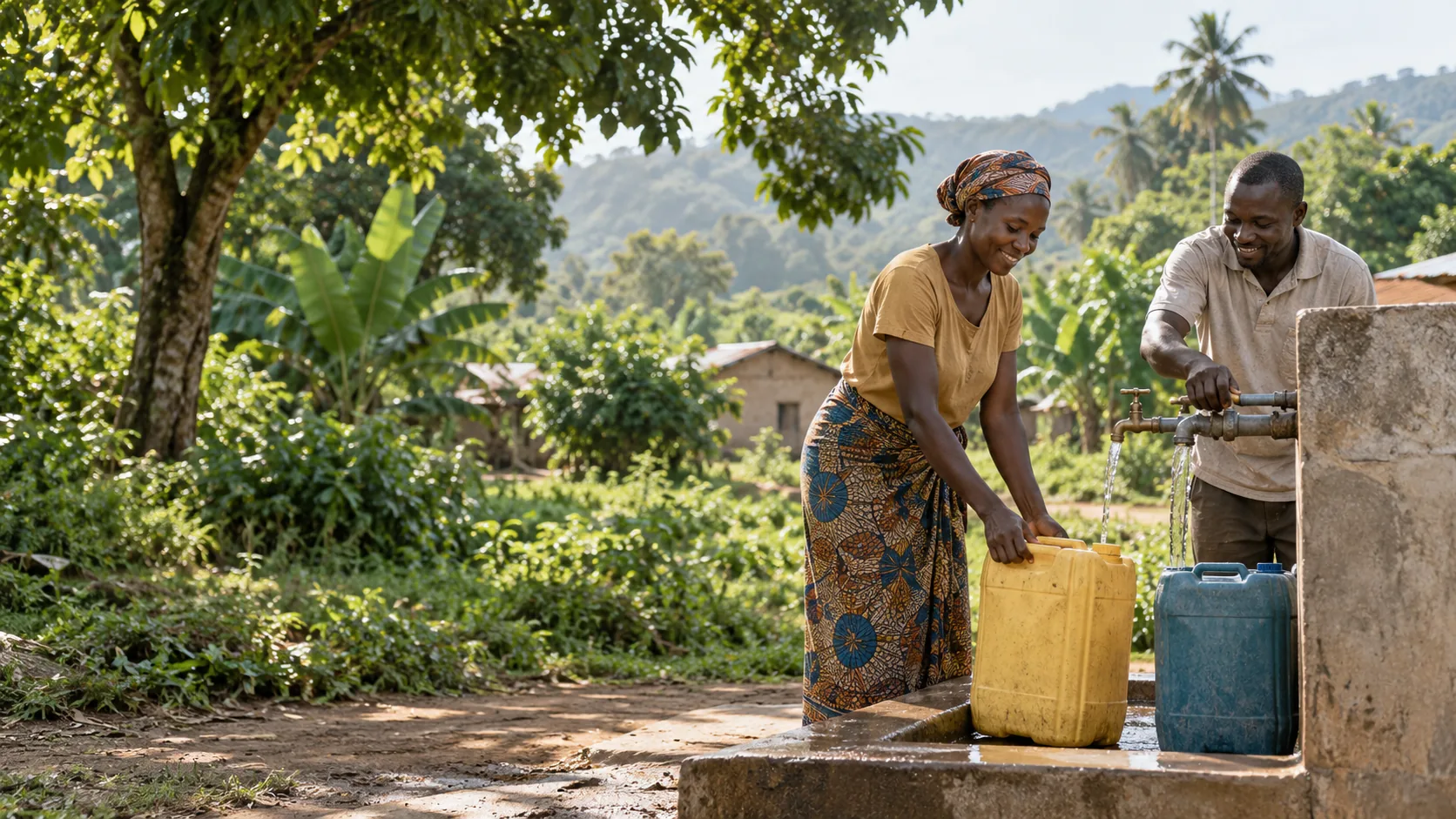
Water is supplied, but access remains difficult
Illustrative fictional scenario: A water point has reopened and the programme reports distributed volume. One family cannot carry containers or reach it during opening hours. Available volume alone does not describe the service that family receives.
Report the route, waiting, hours, transport and accessibility needs to the WASH team. Ask how quality is monitored and who handles breakdowns rather than improvising water treatment. Raise barriers without publicly revealing health data. Support should connect water, sanitation, hygiene and maintenance with affected people’s input.
UNICEF — WASH in emergencies · Official source ·
Follow water through to household use
A working water point does not describe the full chain. Collection, transport, storage and use can face different barriers. When reading a programme, look for how the team checks service beyond the volume produced.
- Collection: access, waiting and continuity.
- Transport: containers and available means.
- Household: storage, information and user feedback.
These checks are not instructions for treating water.
Sphere · Handbook · Official source ·
Assess a water and hygiene programme in five points
- 1
Find the need
Look for a recent assessment of the place and people.
- 2
See the whole system
Consider water, sanitation, hygiene, waste and protection.
- 3
Check access
Can children, disabled people and others use the service?
- 4
Examine maintenance
Who checks quality and keeps facilities working?
- 5
Choose the channel
Use the selected organization’s official domain.
Questions not to overlook
- Confusing installation with a lasting service.
- Forgetting toilets, privacy or night access.
- Sending products without a confirmed request.
- Sharing treatment advice without local context.
Frequently asked questions
Why are toilets linked to water?
Sanitation, hygiene and water work together to reduce risks and preserve dignity.
Is a donated filter always useful?
No. It requires assessed need, suitable quality, supplies, training and maintenance.
How can two programmes be compared?
Compare assessed need, accessibility, quality controls, local partners, maintenance and ways for users to give feedback.
Official sources
Always verify the date and conditions on the official source.
Organisations and resources to explore
These examples relate to the topic through their documented activities. They are neither a ranking nor a guarantee of availability; check each organisation’s terms and requirements.
WaterAid
WaterAid works with communities and partners on clean water, toilets and hygiene. Its approach includes sustainable systems, sharing practices and influencing decision makers, extending beyond installing equipment to the long-term functioning of services. In programme results, distinguish installed equipment, a functioning service and sustained use. Check period and indicator definition before comparing figures; installation counts alone do not describe people actually served.
View directory record →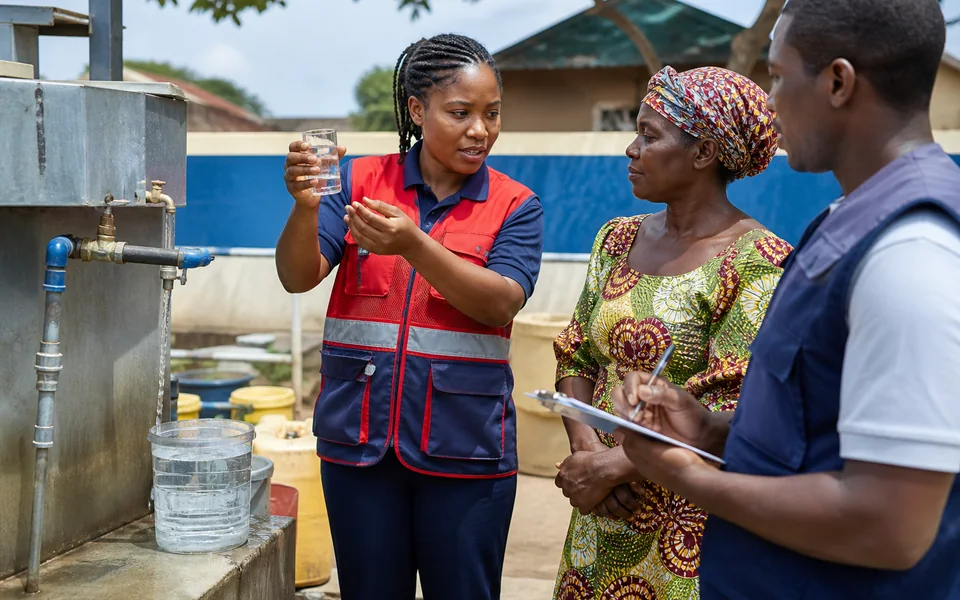
Water Mission
Water Mission is a Christian engineering nonprofit designing and implementing safe water, sanitation and hygiene solutions for communities, refugee camps and disaster areas.
View directory record →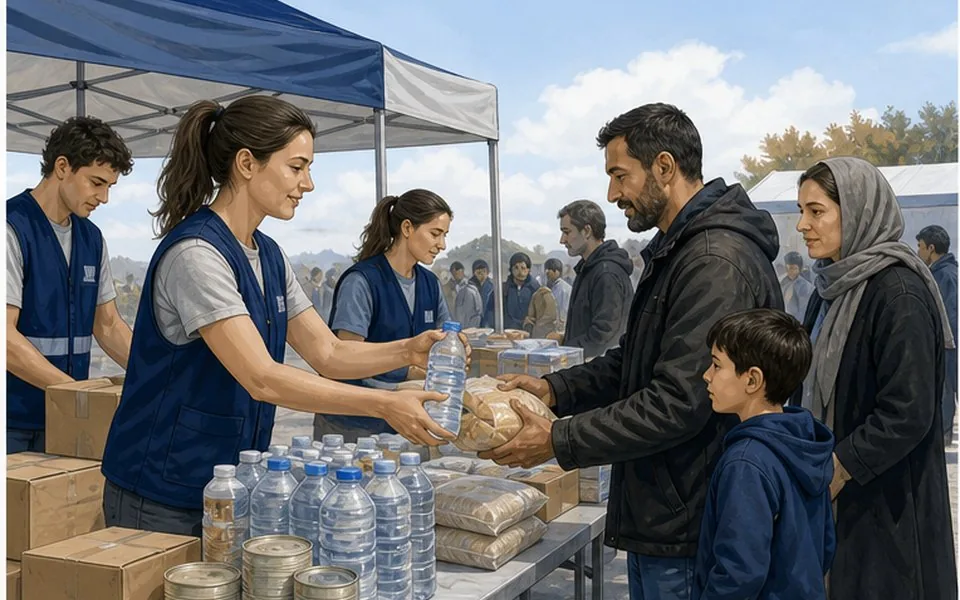
Water.org
Water.org helps households access water and sanitation through financing, including small loans. This approach distinguishes access to finance from direct provision of infrastructure.
View directory record →
SOLIDARITÉS INTERNATIONAL
SOLIDARITÉS INTERNATIONAL describes how it helps people access safe drinking water in emergencies. The page explains how sanitation and hygiene complement water provision.
View directory record →