
Abuse prevention
Rules, training, supervision and reporting designed to prevent and address exploitation, violence and other harm linked to an activity.
Direct link
Understanding humanitarian action
Essential terms used in humanitarian aid, NGOs, protection, emergencies and international solidarity, explained in plain language.
Rules, training, supervision and reporting designed to prevent and address exploitation, violence and other harm linked to an activity.
Direct link
An obstacle preventing someone from receiving available aid, such as distance, cost, language or discrimination.
Direct link
The practical ability to use information, a place or a service despite physical, sensory, language, financial or digital barriers.
Direct link
Information shared in languages, formats and channels people can actually use.
Direct link
Duty to inform crisis-affected people, listen to them and answer for the quality and impact of aid.
Direct link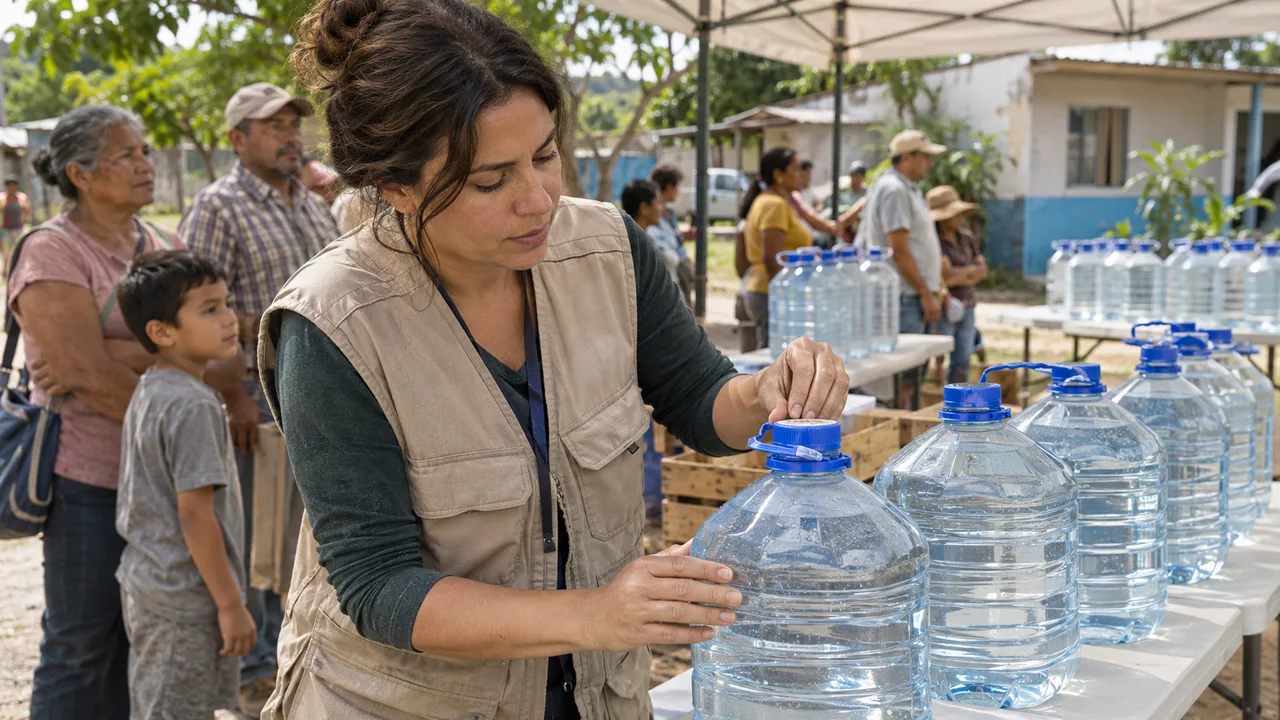
Reporting that does not disclose the author’s identity. Anonymity does not eliminate the risk of recognition from context.
Humanitarian complaints and feedback: making assistance accountable
Direct link
Measure planned in advance and triggered by an agreed risk threshold before the forecast effects of a shock occur.
Direct link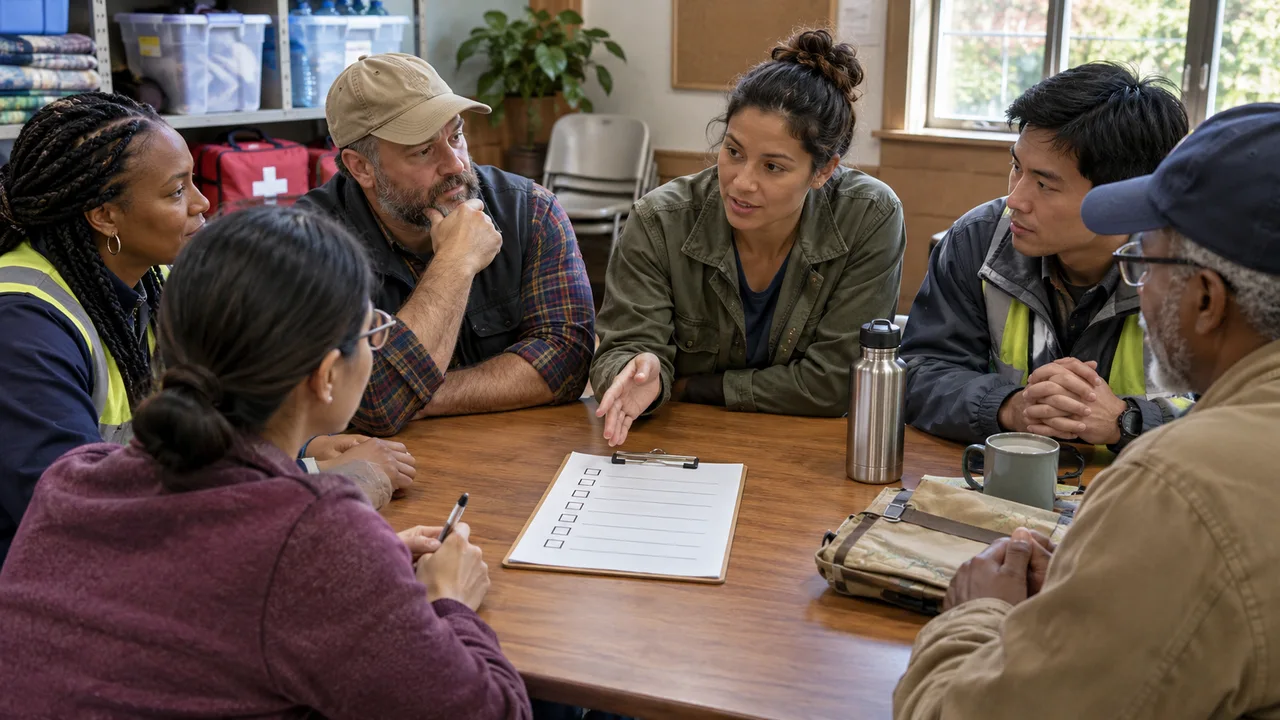
Establishing a causal link between an intervention and an observed change, considering alternative explanations.
Assess the impact of humanitarian action
Direct link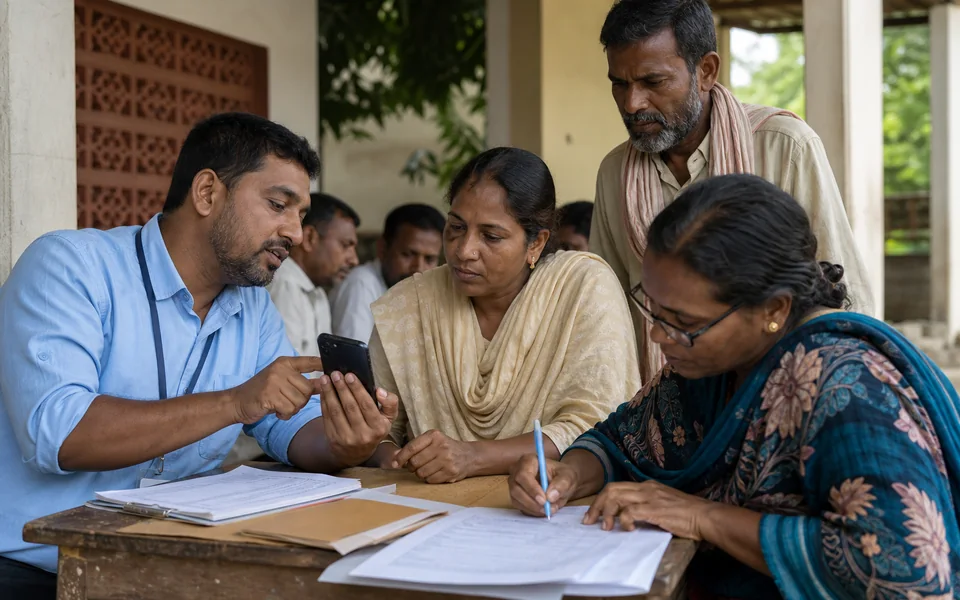
Money or vouchers that let affected people choose the priority goods and services they need.
Direct link
Prevention of and response to violence, abuse, exploitation and neglect affecting children.
Direct link
Assessment against the standard’s commitments; mentioning CHS does not demonstrate verification.
Fictional example: A brochure cites the standard without evidence of verification.
CHS 2024 ·
Humanitarian complaints and feedback: making assistance accountable
Direct link
Ongoing dialogue with affected people to understand their priorities and adapt decisions and services.
Direct link
Organized arrangement in which a local group supports the reception and inclusion of refugees within a defined framework.
Direct link
Safe and accessible channel to ask questions, report problems, challenge a decision or request correction.
Direct link
A report handled by authorized people who need the information to examine the concern.
Fictional example: A case goes to the authorized service, not a public group.
Check child safeguarding before volunteering
Direct link
Study of actors, causes, tensions and risks in a conflict so a response fits the context and limits harm.
Direct link
An intervention’s plausible role in a change involving other actors or factors, without assigning it the entire result.
Assess the impact of humanitarian action
Direct link
Total cost of goods reaching their receiving location, including purchase, packaging, transport and formalities. Specify whether storage and distribution are included.
Understand humanitarian logistics before sending supplies
Direct link
Population or total used as the base for a proportion. It must cover the same period, area and unit as the numerator.
Read humanitarian figures and data accurately
Direct link
Data broken down by relevant characteristics, such as age or disability, to identify different needs and barriers.
Direct link
Event causing serious disruption and needs that exceed a community’s usual capacity to cope.
Direct link
Counting the same person or result more than once, for example when adding recipients of several services. Consultations do not necessarily represent distinct patients.
Read humanitarian figures and data accurately
Direct link
Long-term outcome allowing displaced people to live safely and rebuild their lives without displacement-related needs.
Direct link
Under the IFRC-DREF Anticipatory Pillar, a protocol agrees actions, funding and the forecast threshold for activation in advance. It can provide for stocks and annual readiness activities. This turns a forecast into a prepared decision, rather than simply a warning message.
IFRC — Anticipatory Pillar of the DREF ·
How can you help during a humanitarian emergency?
Direct link
Actions started during a crisis to restore services, local capacity and self-reliance as soon as possible.
Direct link
Arrangement that monitors hazards and communicates timely, understandable alerts so people can protect themselves.
Direct link
Public request for funding to support the response to a specified crisis.
Direct link
Financial reserve that can be released quickly when a crisis begins or worsens.
Direct link
Temporary solution protecting displaced people from weather, danger and lack of privacy.
Direct link
Services needed for life and dignity, including water, health, protection, food, sanitation and shelter according to context.
Direct link
Accessible channel for questions, problem reports and a tracked response.
Direct link
An accessible way for affected people to ask questions, report barriers or make complaints.
Direct link
Process covering feedback receipt, review, response and communication of possible changes. Collecting comments without follow-up does not close the loop.
Humanitarian complaints and feedback: making assistance accountable
Direct link
Stock rotation prioritizing goods with the earliest expiry date, irrespective of their arrival order.
Logistics Cluster · Warehousing ·
Understand humanitarian logistics before sending supplies
Direct link
Stock rotation that dispatches the oldest received goods first. Arrival order does not necessarily match expiry order.
Logistics Cluster · Warehousing ·
Understand humanitarian logistics before sending supplies
Direct link
Resources an organization can redirect to verified needs as conditions change.
Direct linkFood, vouchers or cash provided to meet urgent dietary needs.
Direct linkSituation in which everyone has lasting physical and economic access to adequate food.
Direct linkMovement imposed by conflict, persecution, disaster or another serious threat.
Direct linkUnit moved during loading or storage, such as a carton or pallet. It can contain several inventory units.
Logistics Cluster · Warehousing ·
In-kind donations: help without burdening logistics
Direct linkAbility of responders to safely reach affected people and of people to obtain assistance.
Direct link
Impartial assistance intended to save lives, relieve suffering and preserve dignity during crises.
Direct linkSector coordination group bringing together organizations, authorities and specialists in one response area.
Direct linkJoint organization of responders to share information, divide roles and reduce gaps.
Direct linkNegotiated route temporarily allowing safer movement of civilians or relief supplies.
Direct link
Planning of aid procurement, transport, storage and distribution.
Direct linkPaper or digital entitlement exchangeable for defined goods or services through authorized providers.
Direct linkPrinciple requiring aid to be provided according to need alone, without adverse discrimination.
Direct linkDonation of goods or services rather than money, most useful when answering a confirmed request.
Direct link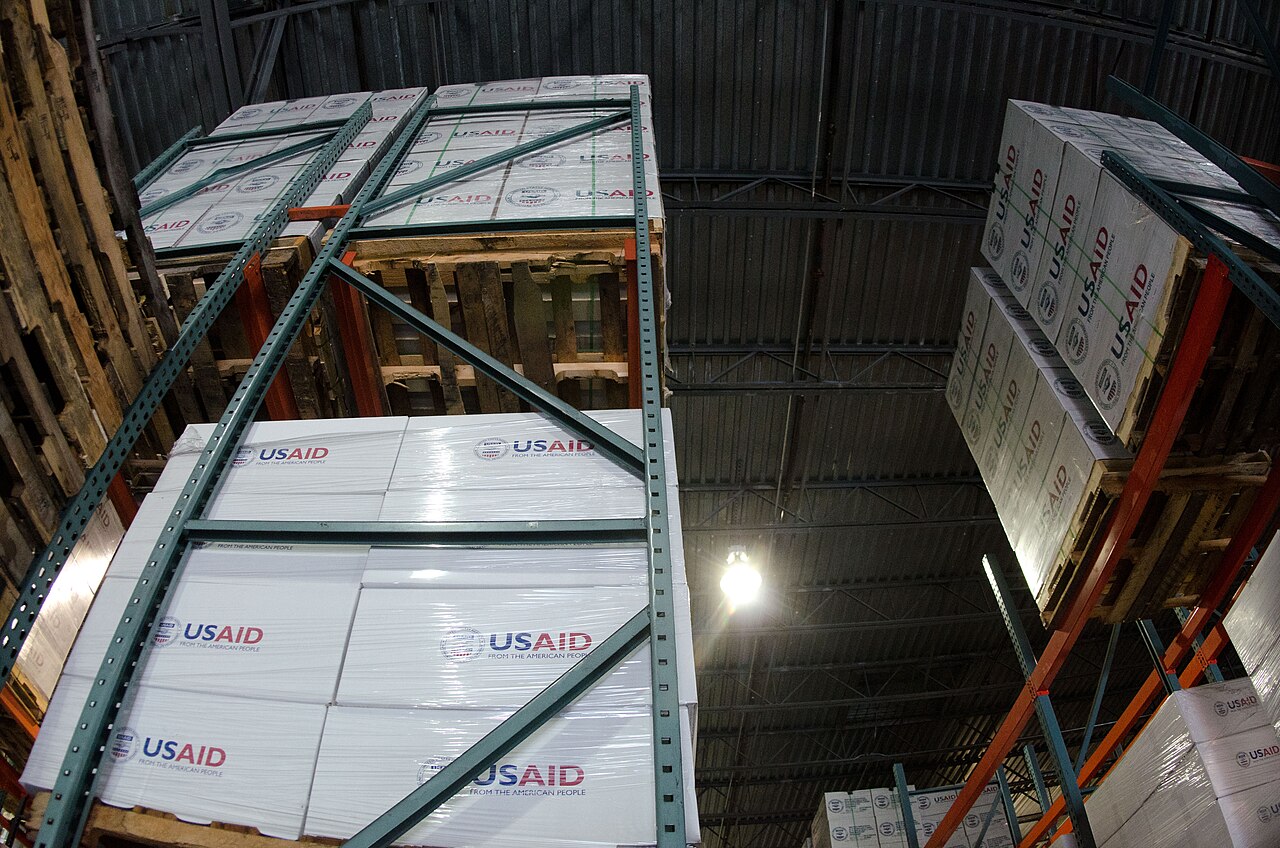
Ordered or dispatched goods not yet available in the receiving warehouse.
Fictional example: A truck is expected; its cargo has not been received.
Logistics Cluster — Inventory control ·
Understand humanitarian logistics before sending supplies
Direct link
Shared framework governing data sharing in a humanitarian response, with responsible management rules.
Fictional example: Partners define who may receive a file.
Read humanitarian figures and data accurately
Direct linkFree, understandable agreement after clear information about use, risks and the option to refuse.
Direct linkPerson forced from home who has not crossed an international border.
Direct linkRules limiting the effects of armed conflict and protecting people not taking part in hostilities.
Direct linkNon-governmental organization operating in several countries or through an international network.
Direct linkSmallest unit used to count a stock item, such as a piece, container or kit, according to the product and inventory rules.
Logistics Cluster · Warehousing ·
In-kind donations: help without burdening logistics
Direct link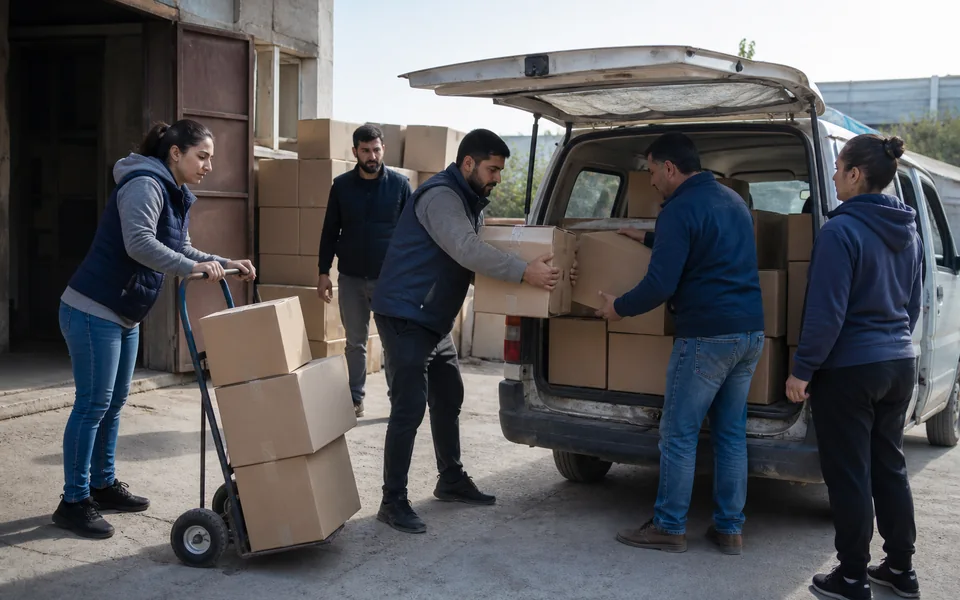
Part of the supply chain connecting storage to recipient people or services. Responsibility and constraints need planning before shipment.
Understand humanitarian logistics before sending supplies
Direct link
Information, advice or support from qualified people to understand and exercise rights.
Direct link
Activities, resources and abilities enabling a person or household to meet needs sustainably.
Direct linkIncreasing the role, funding and decision-making power of local and national responders.
Direct linkAn organization or institution in the affected area involved in analysis, decisions, delivery or review of a response.
Direct linkCondition caused by inadequate intake or absorption of nutrients, including deficiency, excess or imbalance.
Direct linkAnalysis of availability, prices, access and risks before choosing cash, vouchers or goods.
Direct link
Support for the psychological and social well-being of people affected by crisis.
Direct linkInformation absent from a record. The absence can have several causes and must not automatically be treated as zero.
Read humanitarian figures and data accurately
Direct linkFinancial support intended to cover several essential needs that a household prioritizes according to its situation.
Direct linkA network or agency body in one country, often responsible for outreach, partnerships or fundraising according to its mandate.
Direct linkCollection and analysis of information to identify who needs what, where and how urgently.
Direct linkPrinciple of not taking sides in hostilities or political, racial, religious or ideological controversies.
Direct linkNon-governmental organization, generally nonprofit and independent from governments.
Direct linkEssential item other than food, such as a blanket, soap, container, clothing or cooking utensil.
Direct linkInformation without names may still be sensitive for a group; sharing also requires responsible management.
Fictional example: A map locates a small group facing threats.
Read humanitarian figures and data accurately
Direct linkDates to which the data relate. They may precede the publication or consultation date of a report.
Read humanitarian figures and data accurately
Direct linkUnited Nations office responsible for coordinating international humanitarian response in emergencies.
Direct linkA dated warning from a competent authority describing a hazard and actions to take.
Direct linkExpenses needed to run an organization, such as training, safety, accounting, premises and oversight.
Direct linkPeople to whom findings relate according to the area, groups and method selected. This does not necessarily include everyone affected.
Read humanitarian figures and data accurately
Direct linkCollecting feedback after aid to assess access, use, effects and problems people encountered.
Direct linkUnequal influence between aid actors and affected people, addressed through equitable, collaborative relationships.
Fictional example: Service users participate in choosing opening times.
CHS 2024 ·
Humanitarian complaints and feedback: making assistance accountable
Direct linkPlacing supplies or preparing capacity near exposed areas in advance to speed up a response.
Direct link
Actions seeking respect for the rights, safety and dignity of people exposed to harm.
Direct linkInternal request specifying need, quantity, budget, delivery location and date before procurement.
Fictional example: A team specifies how many blankets must arrive and where. Track request, approval, order and receipt separately. An approved request does not mean the supplier accepted an order or that stock is ready for distribution.
Logistics Cluster — Procurement process ·
Understand humanitarian logistics before sending supplies
Direct linkDocumented process for connecting a person, with consent and confidentiality, to a competent service or professional.
Direct link
Person outside their country with a well-founded fear of persecution who receives international protection.
Direct link
Ability of a person or community to absorb a shock, adapt and recover.
Direct linkThe Restoring Family Links network helps families who have lost contact because of conflict, disaster or migration. Start with the Red Cross or Red Crescent office in the country where you currently live, even if your relative is elsewhere. The service is free.
ICRC · Restoring Family Links ·
Support displaced people locally without deciding for them
Direct linkReverse logistics includes returning rejected goods, transferring equipment, recovering packaging and managing unusable products. These flows carry costs even when goods were donated. The Logistics Cluster guide recommends accounting for them during planning.
Logistics Cluster — Reverse Logistics ·
Understand humanitarian logistics before sending supplies
Direct linkExchange of information and advice between responsible bodies and people facing a hazard so they can make informed decisions.
Direct linkUnconfirmed information circulating during a crisis that must be checked before it is shared.
Direct linkMeasures embedded in activities to prevent, report and respond to harm, abuse, exploitation or neglect linked to an organization.
Direct linkReview of possible harm linked to an activity, personnel or setting before and during delivery.
Fictional example: A team reviews workshop supervision before opening.
Check child safeguarding before volunteering
Direct linkCurrent inventory of available services, eligibility and contact points used to guide safe referrals.
Direct linkInternational references setting minimum requirements for humanitarian quality and accountability.
Direct linkPerson whom no state considers a national under the operation of its law.
Direct linkA needed item is absent from available stock; in-transit orders are not available stock.
Fictional example: The inventory contains none of the kits requested for distribution.
Logistics Cluster — Inventory control ·
In-kind donations: help without burdening logistics
Direct linkProcurement, checks, transport and storage needed to make supplies available in the right place.
Direct linkDelivery of aid to people identified using criteria that are explained, checked and adapted to the context.
Direct linkDescription of required purchase characteristics, used to compare offers and check delivery.
Fictional example: The request specifies container capacity, dimensions and strength. Fictional example: two containers have the same stated volume but different openings and intended uses. Compare task-relevant characteristics and receipt criteria beyond the product name.
Logistics Cluster — Procurement process ·
In-kind donations: help without burdening logistics
Direct linkContribution an organization may direct to the greatest need rather than a specified program.
Direct linkPerson freely giving time and skills without receiving a salary.
Direct link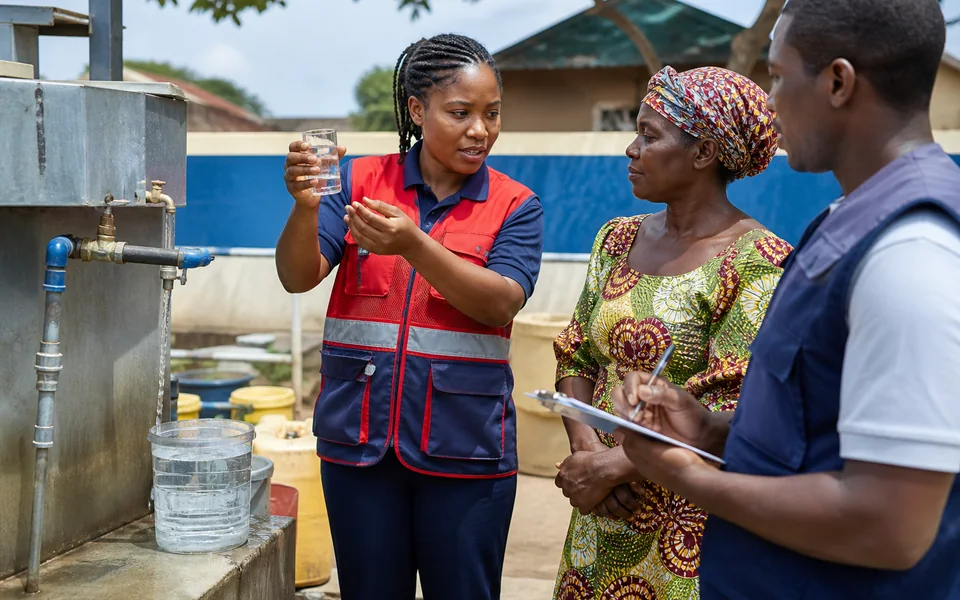
Sector covering safe water, sanitation, waste management and hygiene practices.
Direct linkNo term matches your search.