
Understand before sharing
Early information is incomplete. Check the date, place, author and original source. Consult needs reported by authorities, the UN, Red Cross and Red Crescent networks or organizations on the ground. Separate immediate response from recovery after media attention fades.
Choose assistance that can be used
Money can usually be sourced locally and adapted to transport, staff and services. Goods help when a competent organization publishes a precise list and has a supply chain. For volunteering, use a body that recruits, trains, supervises and insures its teams.
Remain useful after the first days
Keep the donation confirmation and follow official updates. Flexible or recovery funding can cover less visible needs such as water, health, protection, housing and restored services. Share only dated official appeals and never expose a person’s identity or location without necessity and consent.
Acting before impact: the Early Action Protocol
Under the IFRC-DREF Anticipatory Pillar, a protocol agrees actions, funding and the forecast threshold for activation in advance. It can provide for stocks and annual readiness activities. This turns a forecast into a prepared decision, rather than simply a warning message.
To understand an appeal, look for the hazard covered, the agreed trigger, planned actions and responsible team. Forecast-based arrangements remain subject to forecast uncertainty and complement response after the event. Follow local authorities’ instructions for your own safety.
- Forecast
Assess the hazard and people exposed.
- Prepare
Agree actions, funding and the trigger.
- Activate
Activate the protocol when the threshold is met.
IFRC — Anticipatory Pillar of the DREF · Official source ·
An old appeal returns to social media: what should you check?
Illustrative fictional scenario: A video is shared with an urgent caption but without a recording date or clear location. A recent post can reuse an old event. Sharing immediately may direct donations or travel towards an outdated request.
Find the original publication, then a current organizational appeal and local authority instructions. Check the area, date and continuing need. If these cannot be established, do not describe the video as current. Use a documented official support channel rather than improvising a trip.
IFRC — Disaster and crisis preparedness · Official source ·
UNHCR services are free
UNHCR states that all its services are free, including registration and resettlement. Anyone asking for money, favours or another payment for those services is not selling legitimate access. Do not accept a promise of a place or a faster process in return for payment.
Check the relevant country’s UNHCR HELP site and report a suspicious request through the local operation’s official channel. UNHCR says reporting fraud does not affect your case and can be anonymous. This portal does not process assistance, visa or resettlement applications.
UNHCR · Free services and fraud reporting · Official source ·
When an emergency appeal changes phase
An appeal can move from search and rescue to immediate assistance and restoring services. Before renewing a collection, check whether the recipient still requests the same support and whether reception arrangements have changed.
- Request: find the current version.
- Delivery: confirm the receiving point.
- Follow-up: ask how aid may be redirected.
A recent image does not prove that the needs list is current.
IFRC · Disaster and crisis preparedness · Official source ·
Find a Red Cross or Red Crescent emergency appeal
Use IFRC GO to find the operation by country and record its reference number, last update and funding type. A country can have several active operations. Compare funding requirements or numbers of people targeted using dated versions of the same operation. The number targeted is the operation’s stated goal. Look for an available progress report to see how many people received assistance.
IFRC GO — Disaster Response and Preparedness · Official source ·
Five practical reflexes
- 1
Check date and source
Trace the original message and confirm the appeal is current.
- 2
Identify the need
Life-saving aid, shelter, water, health, protection and recovery require different skills.
- 3
Choose a capable actor
Prefer an experienced organization with an official reachable domain.
- 4
Use the requested channel
Follow the published route for money, goods or volunteering.
- 5
Follow without exposing
Read updates and share carefully without sensitive data.
Well-meant actions that can cause harm
- Sending clothing, medicine or food without a request.
- Travelling without a role, skills or coordination.
- Sharing fundraisers with an unclear organizer or beneficiary.
- Publishing humiliating images or sensitive locations.
Frequently asked questions
Why is money often preferable to goods?
It is adaptable and avoids sorting, storage, transport and waste unless a specific material collection is organized.
How do I know whether an appeal is still valid?
Check its date, the organization’s official page and updates from the institutional source.
Can I leave to help immediately?
Only with a confirmed role, appropriate skills, defined responsibilities, insurance and coordination.
Official sources
Always verify the date and conditions on the official source.
Organisations and resources to explore
These examples relate to the topic through their documented activities. They are neither a ranking nor a guarantee of availability; check each organisation’s terms and requirements.

ACAPS
ACAPS provides independent humanitarian needs analysis, data, methodological tools and training to help responders make informed decisions during crises.
Crisis analysis and scenarios
ACAPS provides data, needs analysis, methodological tools, tailored support and training. Scenarios examine possible developments rather than certain predictions.
Read the date, assumptions and information gaps, distinguishing documentary analysis from a direct assistance service.
ACAPS ↗ ·
Practical Action
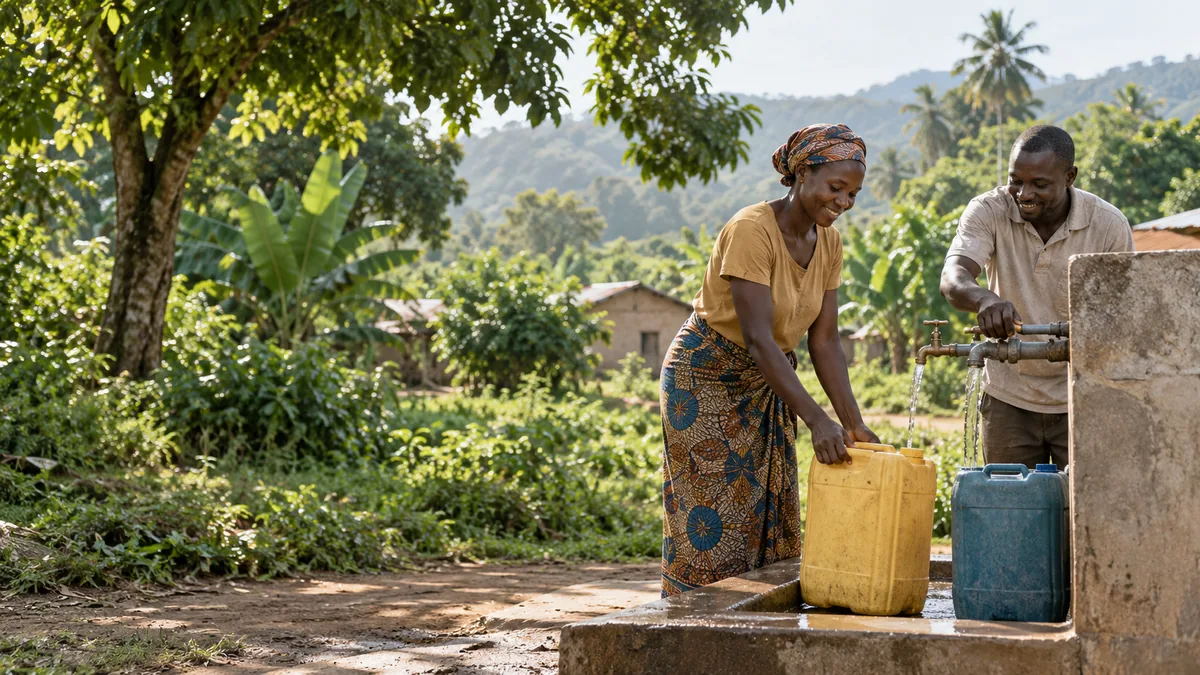
Practical Action provides projects, technical consultancy and practitioner resources focusing on food systems, energy access and climate risk.
View directory record →
Acted
In a pilot documented in Haiti in 2024, Acted and its partners cross-checked alerts, assessed needs quickly and coordinated assistance. The project page describes the mechanism piloted in eastern Artibonite.
View directory record →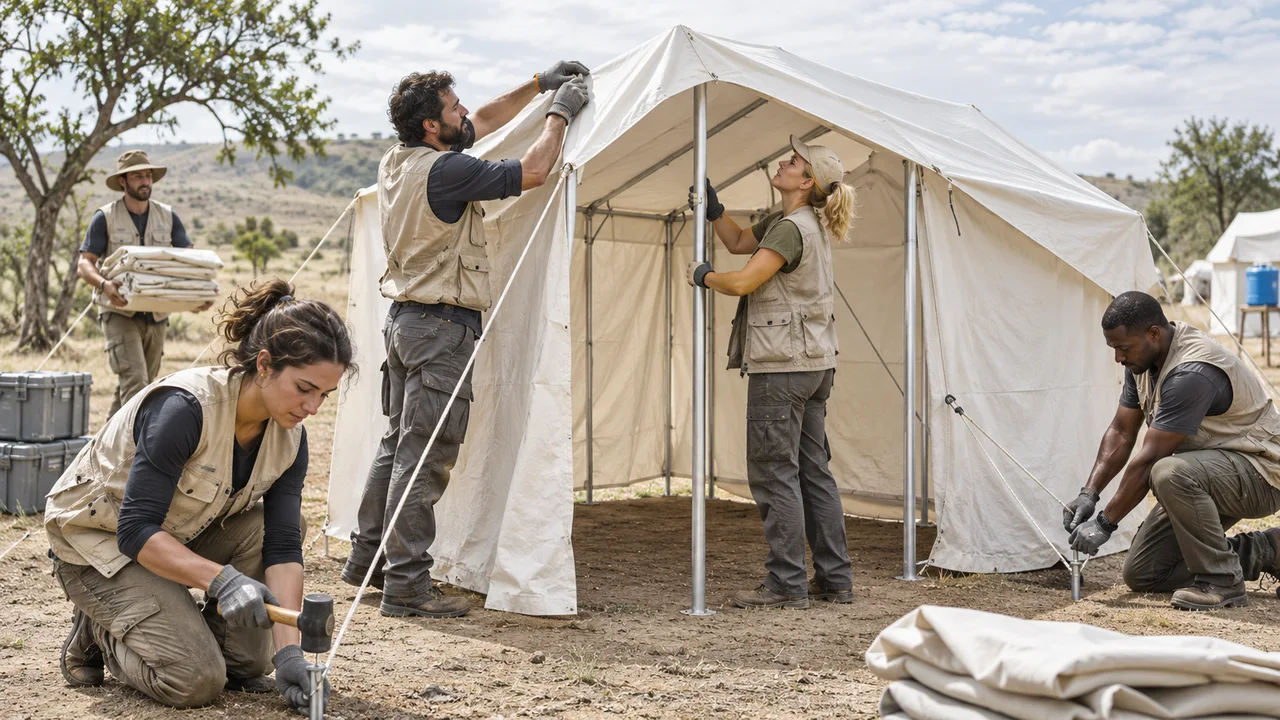
World Central Kitchen
During disasters, World Central Kitchen works with local partners to mobilize restaurants, food trucks and emergency kitchens. It prioritizes locally purchased ingredients for cooking or distributing food.
View directory record →