
Choose the right route
A broken link here is an editorial correction. A problem with a distribution belongs to its provider. Allegations of abuse require the provider’s specialized protection channel. For immediate danger, use appropriate local emergency services.
Share only what is necessary
Describe the service, problem and a safe way to contact you. Do not publish victims’ identities, photos, identity documents or sensitive locations in public comments. Check the recipient and confidentiality arrangements before sending evidence.
Close the feedback loop
Ask for acknowledgement, the expected response time and a follow-up route. Lack of response supports a follow-up through official channels, but alone does not establish fraud. Donors can ask how feedback changed a programme.
A feedback box exists, but nobody knows what happens next
Illustrative fictional scenario: A programme displays a suggestion box. People do not know who reads it, whether messages are confidential or how to get a response. A channel’s existence does not show that it is accessible, safe or used to improve services.
Ask how feedback is received, referred and followed up, and how people learn the outcome. Check alternatives for people unable to write or use the proposed channel. Do not place names or sensitive information in public spaces. Safeguarding concerns require the authorized reporting route rather than an open discussion. For a fictional routine comment, follow the path through receipt, a named handler, an understandable response and a way to report that the problem persists. Counting incoming messages does not measure resolved problems. Use a case without real personal data to test the process; sensitive reports remain with authorized personnel.
Core Humanitarian Standard 2024 · Official source ·
A complaint needs a way to follow up
A useful mechanism explains its scope, how to access it in a suitable language and format, and how a response will reach you. Before sending sensitive information, ask who receives it, how it is protected and whether a separate route exists when there is a conflict of interest.
Keep the reference and stated response time. Acknowledgement is not resolution: ask what action follows and how to challenge an unsatisfactory response. For abuse allegations, use the specialized channel; do not collect evidence from affected people yourself. The CHS provides a framework, not a universal handling deadline.
CHS 2024 · Commitment 5 · Official source ·
Anonymous and confidential are different
Anonymous reporting does not disclose identity. Confidential reporting may share identity with a team whose access is restricted. The channel should explain what it collects and how follow-up remains possible.
- Identity: check whether it is required or optional.
- Access: ask who receives the information.
- Follow-up: keep the way to retrieve a response.
People in a small group may be identifiable even without publishing names.
CHS 2024 · Commitment 5 · Official source ·
Check a claim of compliance with the CHS
If an organization claims that it meets the CHS, search for its exact name in the Commitment Tracker. Record the date and type of verification shown, then ask for the report or certificate and its scope. Self-assessment describes an organization’s review of its own practices. Independent verification and certification involve a third party. To assess complaint handling, also ask which channel people can use and how they are told what happens next.
CHS Alliance — Commitment Tracker · Official source ·
Your reading checklist
- 1
Identify
Who runs the service and which process fits the issue?
- 2
Choose
Find an accessible, confidential channel.
- 3
Follow up
Keep the reference and ask how responses are handled.
Mistakes to avoid
- Reporting abuse through a donation page.
- Promising confidentiality you cannot control.
- Publishing personal information about a victim.
Frequently asked questions
Can I complain through this portal?
The portal accepts corrections to its own content. Service and conduct complaints belong to the responsible organization’s mechanism.
Does a published mechanism prove effectiveness?
No. Check accessibility, safeguards and anonymized examples of changes made following feedback.
Official sources
Always verify the date and conditions on the official source.
Organisations and resources to explore
These examples relate to the topic through their documented activities. They are neither a ranking nor a guarantee of availability; check each organisation’s terms and requirements.

CHS Alliance
CHS Alliance provides Core Humanitarian Standard self-assessment tools. Independent verification and certification are conducted by a third-party auditor and differ from self-assessment.
View directory record →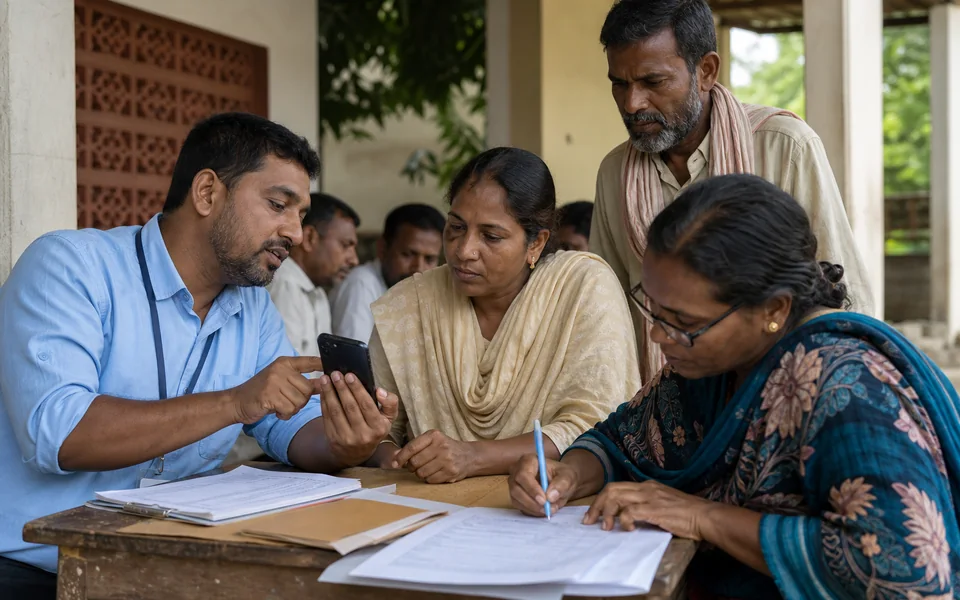
Ground Truth Solutions
Ground Truth Solutions studies crisis-affected people’s perceptions of aid and brings their views to decision makers. Work includes accountability, cash assistance and climate adaptation. Surveys describe people’s experiences and should be read with their context and methodology.
View directory record →
CDAC Network
CDAC Network works on trustworthy information access and participation for communities in crisis, through communication, engagement, accountability and information integrity activities.
View directory record →