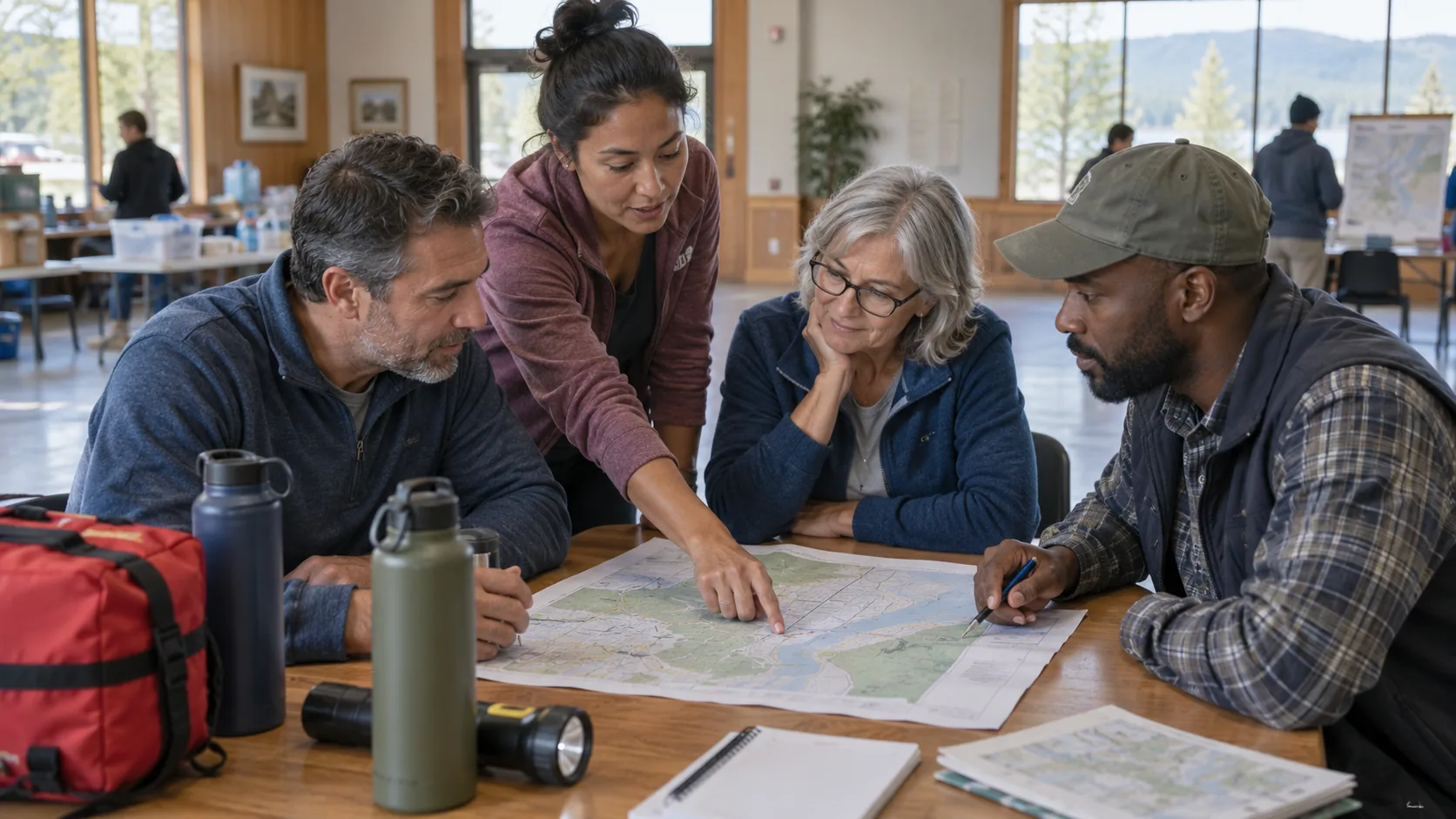
Start with local hazards
Floods, fires, storms, earthquakes and long outages require different actions. Check local authorities, hazard maps and warning systems before buying equipment.
Identify safe places, possible routes and shelter or evacuation instructions.
Write a short household plan
Choose an out-of-area contact, two meeting points and a fallback if phones or transport fail.
Include medication, mobility, medical devices, children, pets and the languages used at home.
Build and maintain an accessible kit
Adapt water, shelf-stable food, radio, light, batteries, first aid, prescribed medication, clothing, chargers and protected document copies to official local advice.
Keep the kit accessible and review dates, batteries, water, clothes and contact details every year.
Practise without creating fear
Run a short exercise to find heavy bags, missing keys, inaccessible routes or unclear instructions.
During an event, follow current official advice and never take risks to retrieve property.
Acting before impact: the Early Action Protocol
Under the IFRC-DREF Anticipatory Pillar, a protocol agrees actions, funding and the forecast threshold for activation in advance. It can provide for stocks and annual readiness activities. This turns a forecast into a prepared decision, rather than simply a warning message.
To understand an appeal, look for the hazard covered, the agreed trigger, planned actions and responsible team. Forecast-based arrangements remain subject to forecast uncertainty and complement response after the event. Follow local authorities’ instructions for your own safety.
- Forecast
Assess the hazard and people exposed.
- Prepare
Agree actions, funding and the trigger.
- Activate
Activate the protocol when the threshold is met.
IFRC — Anticipatory Pillar of the DREF · Official source ·
Prepare a plan that works without a charged phone
Illustrative fictional scenario: Your household stores contacts and its meeting point on one phone. During an outage, someone may also need help moving or understanding an alert. An emergency kit does not resolve dependence on a single device or person.
Prepare accessible paper contacts, an agreed meeting point and a backup way to communicate. Discuss everyone’s needs and the help actually available, then practise safely. Review the plan after moving home or a change in circumstances; local instructions remain the priority.
IFRC — Prepare your family and home · Official source ·
Make the plan usable by another person
A plan depending on one adult or one phone is fragile. Prepare a version that people taking over can understand, considering languages, assistance needs and household routines.
- Contacts: keep an accessible offline copy.
- Meeting up: agree locations and alternatives.
- Assistance: identify a backup helper.
Local authorities’ instructions take precedence over a generic plan.
IFRC · Prepare your family and home · Official source ·
Prepare in 6 steps
- 1
Check local hazards
Use official local maps, alerts and instructions.
- 2
Choose contacts
Set an out-of-area contact and two meeting points.
- 3
Include specific needs
Plan for health, disability, children, pets, language and transport.
- 4
Assemble the kit
Keep only useful, familiar and portable equipment.
- 5
Test the plan
Run a short exercise and fix the obstacles.
- 6
Review yearly
Renew water, food, batteries, documents and contacts.
Mistakes to avoid
- Copying a foreign list without adapting it.
- Keeping the kit somewhere inaccessible.
- Forgetting medication, assistive devices or pets.
- Using fuel-burning equipment in an unsafe indoor space.
- Waiting for a crisis to explain the plan.
Frequently asked questions
Must the kit cover exactly 72 hours?
Follow local guidance. Some authorities recommend 72 hours, while needs and quantities vary by household and location.
Where should document copies be kept?
Protect paper copies from moisture and secure digital versions. Avoid exposing sensitive data.
How can a disabled person be included?
Plan with the person and cover equipment, power, medication, communication, support and transport.
Does a kit replace official instructions?
No. It supports readiness but never replaces an evacuation, shelter or safety instruction.
Official sources
Always verify the date and conditions on the official source.
Organisations and resources to explore
These examples relate to the topic through their documented activities. They are neither a ranking nor a guarantee of availability; check each organisation’s terms and requirements.
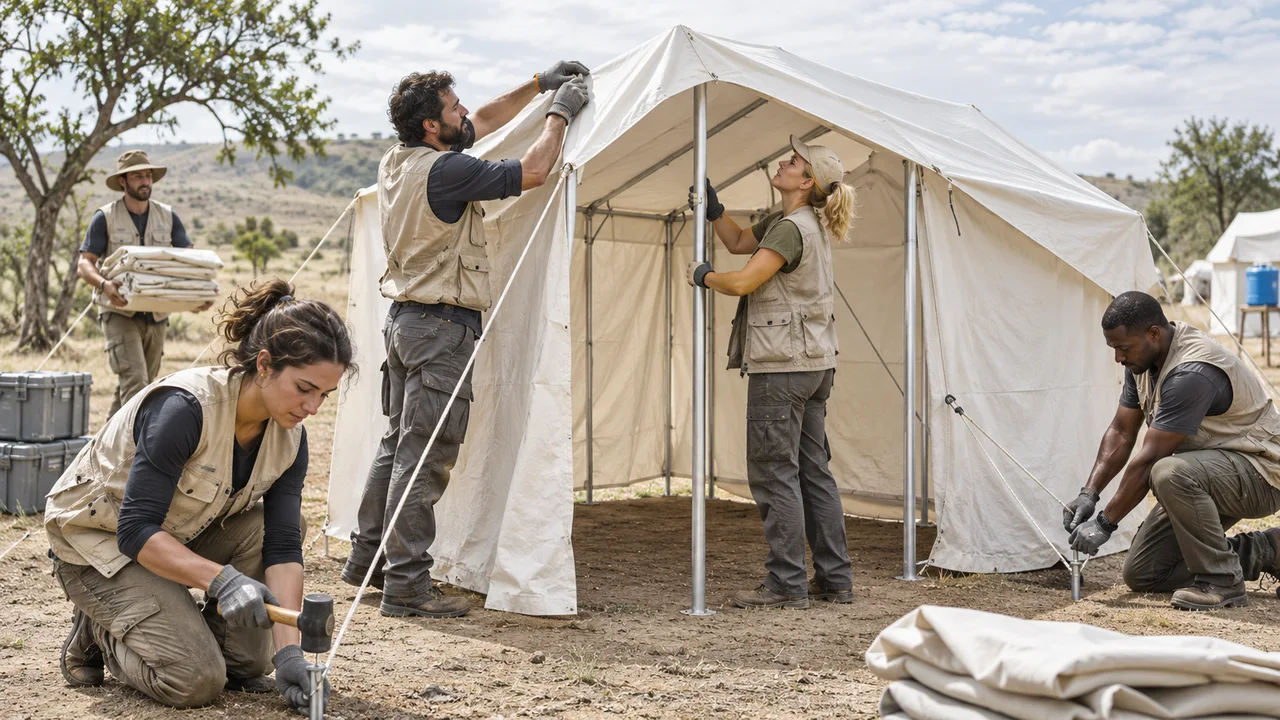
IsraAID
IsraAID describes three areas: emergency response, recovery and preparedness, and refugees and forced migration. It works with affected communities to rebuild their lives.
View directory record →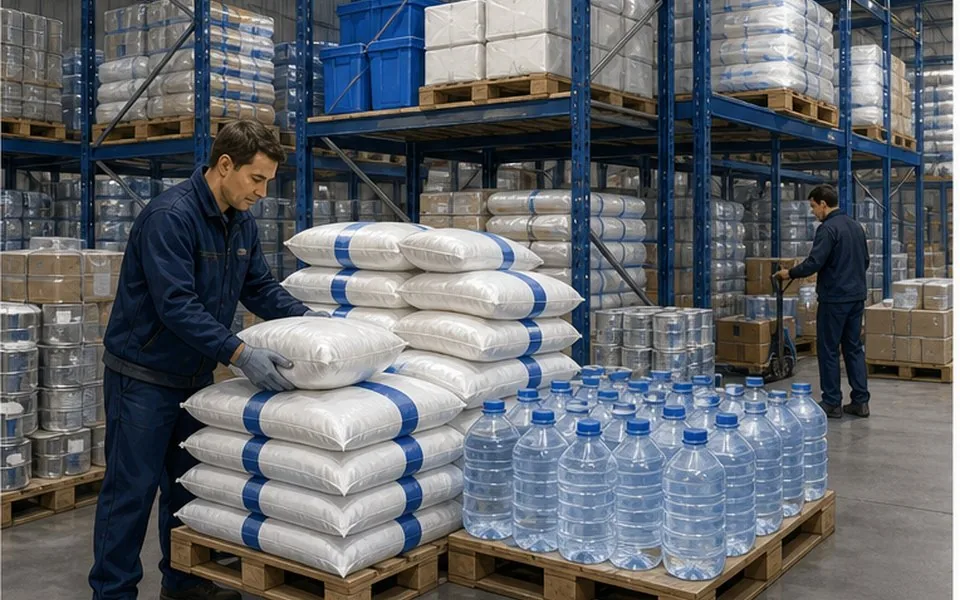
GlobalMedic
GlobalMedic mobilizes professionals and volunteers for emergency aid. Its areas include water, food, medical assistance, shelter, flooding and the RescUAV programme.
View directory record →